
Wike: 70% of FCT Projects Completed Under Tinubu Were Abandoned Contracts Revived After 15 Years
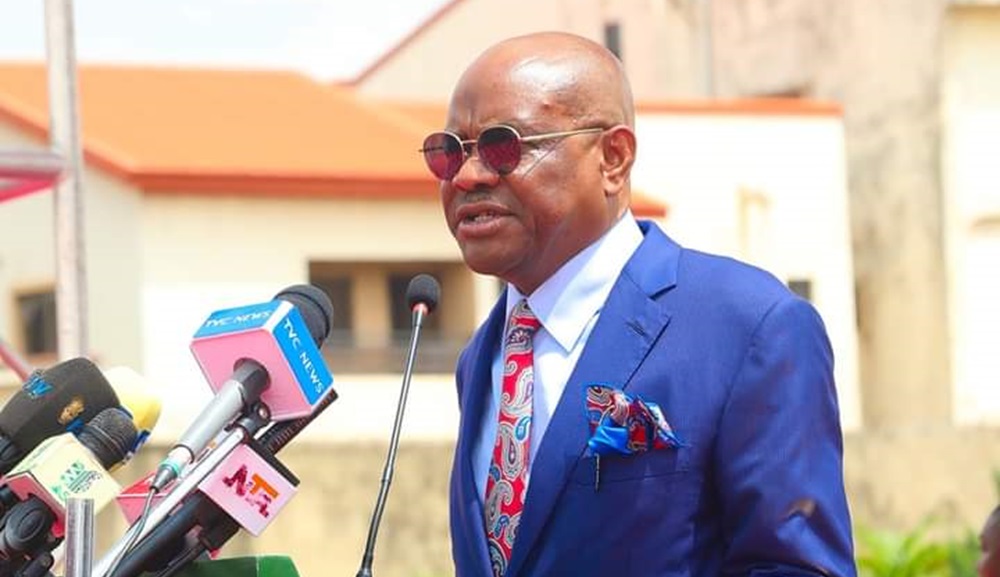
Federal Capital Territory (FCT) Minister Nyesom Wike has revealed that nearly 70 per cent of the infrastructure projects completed by the FCT Administration under President Bola Tinubu were inherited from previous governments after being abandoned for between 15 and 16 years.
Speaking during his monthly media briefing in Abuja, Wike said the Tinubu administration deliberately focused on completing long-abandoned projects while simultaneously launching new ones across the Federal Capital Territory. He explained that the approach was driven by President Tinubu’s directive that viable government projects should never be abandoned after public funds had already been committed to them.
According to the minister, abandoning projects that had already consumed taxpayers’ money would have denied residents the infrastructure they had waited years to enjoy. He said the administration has successfully completed the majority of those inherited projects, adding that they account for a significant portion of the infrastructure delivered over the past three years.
“The President said we can’t abandon old projects, and we must also carry out new ones. About 60 per cent of the projects we have executed in the last three years were awarded 15 to 16 years ago but abandoned. If we had allowed that, people would still be asking questions about them. We made sure they were completed, and we have achieved that with not less than 70 per cent of them,” Wike said.
The minister added that the FCTA adopted a dual strategy of completing inherited projects while investing in new roads and infrastructure to improve connectivity, reduce traffic congestion and accelerate development in Abuja’s satellite towns. He also credited the pace of project delivery to President Tinubu’s support, particularly the decision to remove the FCT Administration from the Treasury Single Account (TSA), which he said improved access to funds for development.
Wike also claimed that his efforts to enforce financial discipline have made him unpopular among some civil servants in the FCT Administration. According to him, resistance to his leadership stems from measures introduced to block channels through which public funds were allegedly being diverted.
“I am not popular with some civil servants because we blocked the avenues through which government money was being diverted,” he said, insisting that cutting waste and improving accountability remain central to the administration’s agenda.
The minister further criticised the approval of costly overseas conferences and study tours, describing many of them as unnecessary expenses that offer little value to governance. He argued that government officials seeking knowledge on areas such as land administration could learn from states like Lagos and Rivers instead of embarking on expensive foreign trips.
Wike disclosed that his administration has also restructured the FCT budget by prioritising capital projects over recurrent spending. He said that while about 65 per cent of the budget previously went to recurrent expenditure, the ratio has now been reversed, with roughly 70 per cent dedicated to infrastructure and other capital projects, leaving 30 per cent for recurrent expenses.