
Valencia to Host World’s Largest LGBTQ+ Sporting Event as Gay Games Spotlight Spain’s Queer-Friendly Culture
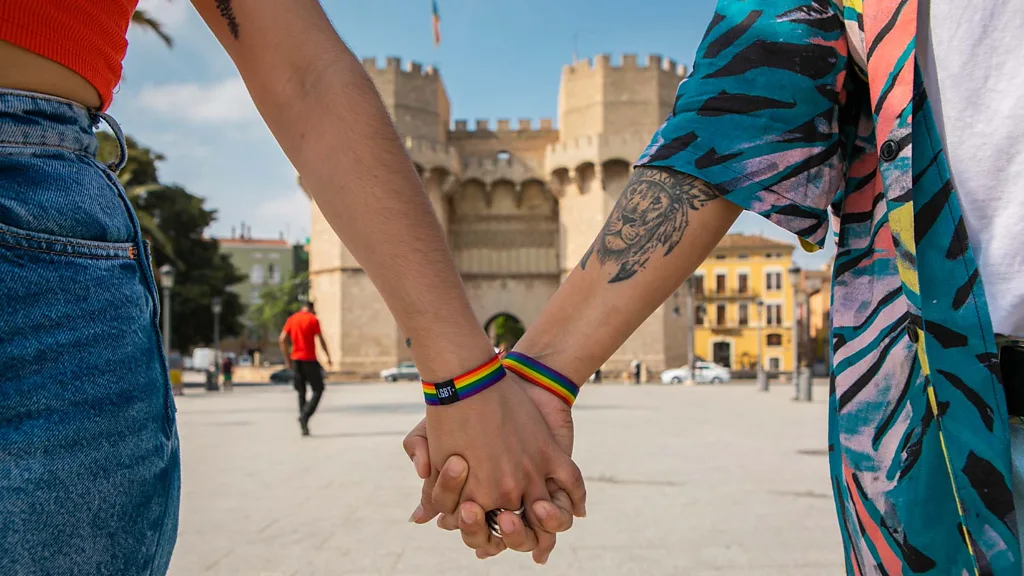
Valencia is preparing to step onto the global stage this summer as it hosts the Gay Games, the world’s largest LGBTQ+ sporting event, bringing together thousands of athletes and spectators in a celebration of sport, identity, and inclusion.
Set for 27 June to 4 July 2026, the event will transform Spain’s third-largest city into a hub of international competition and cultural exchange, with more than 9,000 athletes from 75 countries expected to compete across 39 sporting disciplines.
The Gay Games were founded in 1982 by former Olympic decathlete Tom Waddell, who envisioned a sporting platform free from discrimination after experiencing homophobia during his own Olympic career. What began in San Francisco with a small group of athletes has since evolved into a global event hosted in cities known for tolerance, including Amsterdam, Sydney, Paris, and now Valencia.
For many participants, the Games are more than competition—they represent visibility and belonging in spaces where LGBTQ+ athletes have historically faced exclusion. That sense of purpose is reinforced by Valencia’s growing reputation as one of Europe’s most inclusive cities.
The city’s appeal is not accidental. Spain is widely regarded as one of the world’s most progressive countries on LGBTQ+ rights, with strong anti-discrimination protections and marriage equality laws. Recent rankings placed Spain among Europe’s leading nations for LGBTQ+ rights, further strengthening its status as a safe destination for queer travellers and athletes.
Valencia itself has developed a quiet but deeply rooted culture of acceptance. Same-sex couples are openly visible in public spaces, rainbow flags are common across businesses, and neighbourhoods like Barrio del Carmen and Ruzafa have become key social and cultural hubs for the LGBTQ+ community.
City officials say the infrastructure is well-suited for a large-scale international event. All competition venues are within short travel distance of the Gay Games Village in Jardín del Túria, with cycling routes, metro links, and bus connections designed to move participants efficiently across the city.
Beyond sport, the programme includes cultural events such as art exhibitions, choral performances, and public celebrations. A 3km International Rainbow Memorial Run will open the festivities, while the closing days will feature aquatic shows and large-scale performances designed to reflect the diversity of participants.
Local businesses and LGBTQ+ venues are also expected to benefit from the influx of visitors. Districts like Ruzafa, once shaped by migration and underground queer culture during Spain’s post-dictatorship era, now host a mix of cafés, bars, and community spaces that openly welcome LGBTQ+ patrons.
Organisers estimate that the event could attract around 40,000 spectators, boosting tourism and further positioning Valencia as a Mediterranean destination built on inclusivity and cultural openness.
For many athletes, however, the significance goes beyond economics or tourism. It is about competing in an environment free from fear or judgment—a reality shaped by decades of activism that began long before events like the Gay Games existed.
As Valencia prepares to welcome the world, the city is not only hosting a sporting competition but also reinforcing its identity as a place where diversity is increasingly part of everyday life.