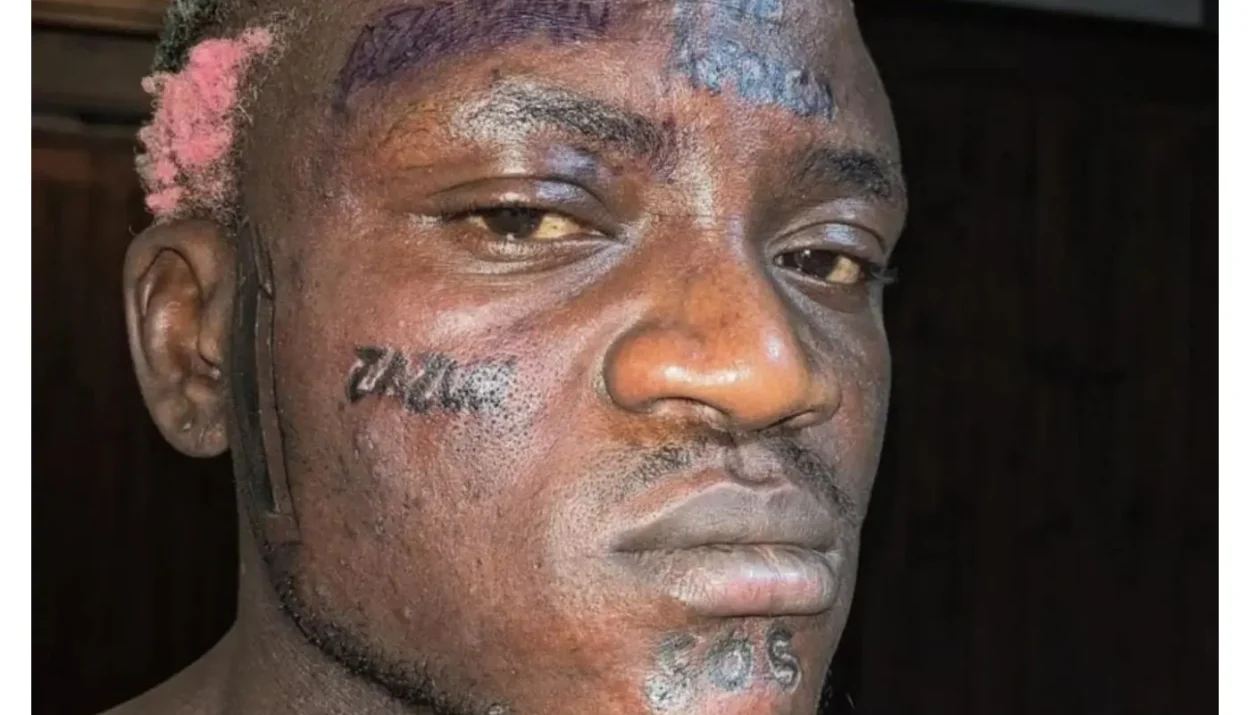
Nigerian street-pop star Habeeb Okikiola Badmus, widely known as Portable, has opened up on why he refuses to publicly criticize the country’s worsening insecurity and economic challenges, claiming that outspoken celebrities risk persecution by the authorities.
The singer made the remarks while responding to British-Nigerian rapper Skepta, who recently urged Nigerian celebrities and public figures to use their platforms to demand accountability and speak out against the hardships facing citizens.
Portable said he appreciates Skepta’s concern for Nigeria but believes celebrities living within the country face consequences that Nigerians abroad do not. According to him, speaking openly about national issues could attract unwanted attention from government authorities.
In a video shared online, the controversial singer suggested that diaspora Nigerians are in a better position to criticize the government because they are beyond the immediate reach of local law enforcement agencies.
“Skepta, God bless you for remembering and speaking for Nigeria,” Portable said. “But when you say Nigerian celebrities should speak up and demand justice, do you want the government to come after us? They will arrest us if we speak.”
The Zazu crooner alleged that some public figures are still dealing with the fallout from previous comments they made about national issues. He claimed that fear of harassment and possible restrictions discourages many celebrities from expressing their opinions publicly.
“This government is oppressing us,” he stated. “Some of us are still being persecuted over our past remarks. We need help and support, not only prayers. Nigerians abroad should continue speaking because the government cannot arrest them from overseas.”
Portable further explained that his current focus is on improving his personal circumstances rather than engaging in political commentary. He maintained that silence should not be mistaken for indifference, insisting that many entertainers are frustrated by the state of the nation but are reluctant to speak out.
“It’s not that celebrities don’t care about Nigeria,” he said. “A lot of us are tired of what is happening, but if we talk, they will persecute us. If we were living abroad, it would be much safer to speak.”
His comments have sparked fresh debate on social media about freedom of expression, the role of celebrities in social advocacy, and whether public figures should use their influence to address national issues despite potential risks.