
Donald Duke Wins PRP Presidential Ticket as Rival Rejects Result, Alleges Massive Vote Manipulation
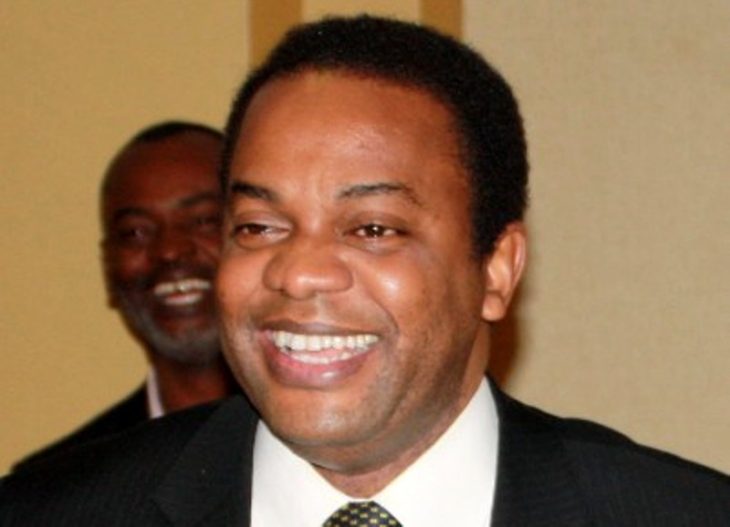
Former Cross River State Governor Donald Duke has emerged as the presidential candidate of the Peoples Redemption Party (PRP) for the 2027 general election, just days after joining the party.
Duke secured a landslide victory at the party’s presidential primary held in Abuja, polling 6,499 votes to defeat his closest challenger, Kingsley Yakubu, who scored 2,699 votes. Academic and policy expert Dr Nnaoke Ufere finished third with 784 votes.
Announcing the result at the PRP national secretariat, National Chairman Dr Hakeem Baba-Ahmed described the exercise as transparent, credible and free from bias. He advised any dissatisfied aspirant to seek redress through the party’s appeal process.
While the declaration appeared to strengthen Duke’s rapid rise within the PRP, the outcome immediately sparked controversy after the Ufere2027 Campaign Organisation rejected the result and demanded a fresh primary election.
In a strongly worded statement signed by campaign executive director Ishaq Alhassan, the group accused party officials of manipulating figures and inflating votes beyond the official membership register earlier submitted to the Independent National Electoral Commission (INEC).
The campaign claimed that in several states, the number of votes announced exceeded the total number of registered party members eligible to vote. It cited Gombe State, where a register of 348 members allegedly produced 1,431 votes, describing over 1,000 of the ballots as “phantom votes.”
Similar discrepancies were also highlighted in Bauchi and Kwara states. According to the campaign, 996 registered members across the three states somehow generated 2,273 votes during the primary.
“A register is a ceiling. Turnout cannot exceed 100 per cent of the people allowed to vote,” the statement read. “Every vote beyond the register is, by definition, a vote that should never have been counted.”
The campaign further questioned how Duke, who reportedly joined the PRP only days before the election and allegedly did not publicly campaign, managed to secure such overwhelming support nationwide.
By contrast, the organisation said Ufere actively campaigned across all 36 states and the Federal Capital Territory, sponsored voter mobilisation efforts and funded grassroots activities throughout the contest period.
The controversy deepened after the campaign accused some party insiders of attempting to replace the original membership register submitted to INEC on May 4 with a new list dated May 25, showing a sudden increase of over 4,500 members.
“It cannot be changed after polling simply because the declared figures expose what they expose,” the statement added. “Any attempt to retroactively swap the register is not a correction. It is a second irregularity layered on the first.”
The Ufere campaign has now demanded a full forensic audit of the primary election, publication of complete accreditation records and voting figures, nullification of results where votes exceeded registered members and a fresh presidential primary conducted under stricter supervision.
The group also called for investigations into alleged intimidation, administrative failures and claims of vote manipulation during the exercise.
Despite the growing backlash, the PRP leadership has yet to respond publicly to the detailed allegations raised against the conduct of the primary.