
Amaechi Vows to Scrap Federal Character, End Indigeneship if Elected President in 2027
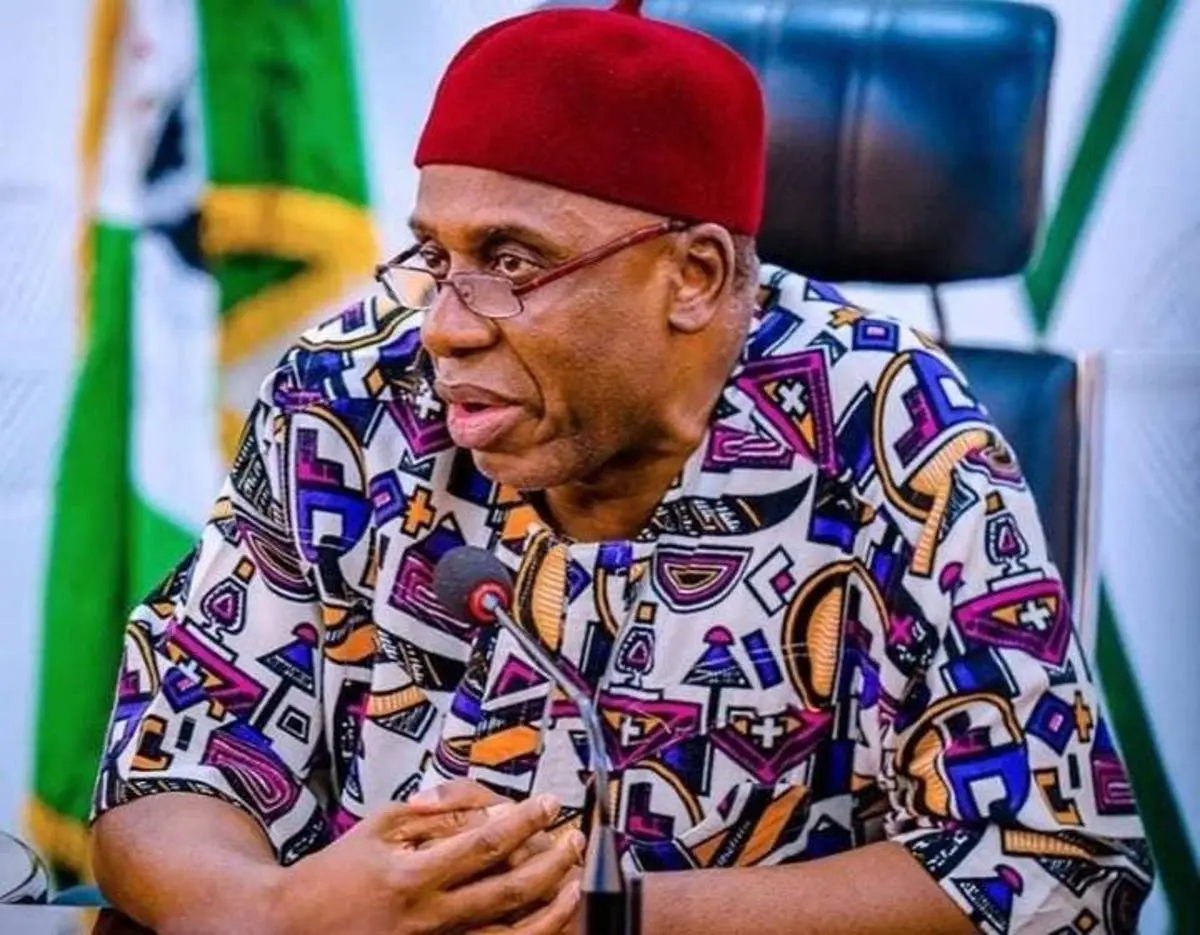
Rotimi Amaechi has declared that he would abolish Nigeria’s federal character principle and replace indigeneship with citizenship if elected president in 2027.
The former Rivers State governor made the statement on Wednesday after appearing before the presidential screening committee of the African Democratic Congress in Abuja.
Amaechi said Nigeria must move away from identity-based politics and begin rewarding competence, performance and merit rather than ethnicity, religion or regional affiliation.
“There will be no federal character. A very good Nigerian will be a member of the Federation,” he said.
According to him, the federal character system only exists because of longstanding inequality and imbalance within the country’s political structure.
“Federal character is there because the system is unfair. So, it is one way to manage the system,” Amaechi stated.
The former minister also argued that Nigerians should evaluate presidential aspirants based on their achievements in public office rather than tribal or regional identity.
“Assess us by what we’ve done and reach a conclusion rather than hearing I am from North. I’m from South. I am from East,” he said.
“I am not from South, East or West. I am a Nigerian. If I become president, I will not bring indigeneship. There will be citizenship.”
Amaechi blamed worsening insecurity and rising kidnapping cases across the country on unemployment and economic hardship, insisting that many young Nigerians were being pushed into crime by a struggling economy and poor governance.
He also criticised politicians who rely on ethnic and religious sentiments to gain support during elections.
When asked whether he would consider serving as vice-president under another candidate, Amaechi dismissed the possibility outright.
“I don’t want to be vice,” he said bluntly.
However, he added that he would respect any consensus arrangement adopted by the ADC, provided the process remained transparent and acceptable to all aspirants involved.
Speaking on his credentials, Amaechi expressed confidence in his presidential ambition, pointing to his previous experience as governor of Rivers State and former Speaker of the state House of Assembly.
He highlighted reforms carried out during his administration in education and healthcare, including the rebuilding of public schools, employment of doctors and expansion of free healthcare services.
“We built health infrastructure and employed 400 doctors. We added 200 to make it 600. And then, we pursued free healthcare,” he said.