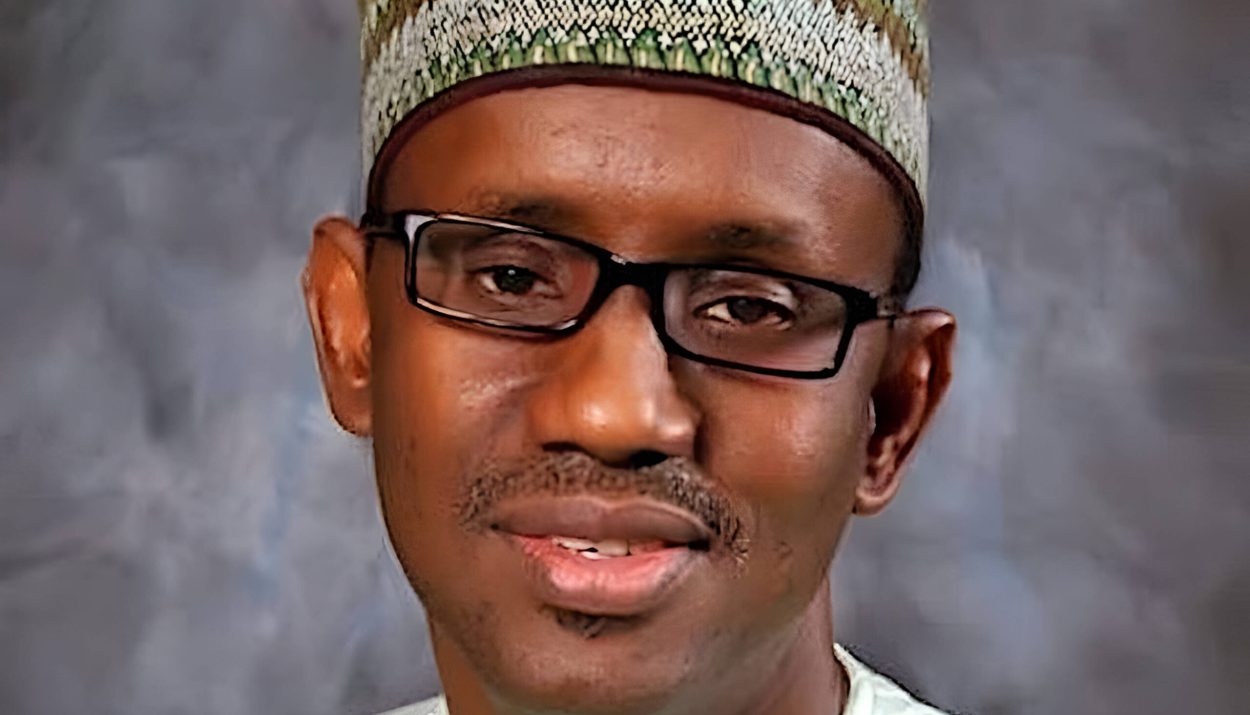
Fresh speculation has emerged within Nigeria’s political space after Paul Ibe, media aide to former Vice President Atiku Abubakar, alleged that National Security Adviser Nuhu Ribadu has been quietly pushed aside within President Bola Tinubu’s administration.
The controversy follows the recent appointment of retired Major General Adeyinka Fadewa as Special Adviser on Homeland Security — a move that has triggered debate over the future role and influence of the Office of the National Security Adviser.
Some political observers and social media commentators have questioned whether the newly created homeland security position could gradually overshadow Ribadu’s office, fueling rumours of a possible rift within the presidency.
Reacting to the development on Wednesday, Paul Ibe claimed the NSA had already been sidelined internally, suggesting that recent events surrounding Ribadu’s trip to the United States may have worsened tensions.
“It is no longer news that NSA Nuhu Ribadu has been quietly sidelined,” Ibe wrote in a post on X.
He further alleged that Ribadu’s recent meetings in the United States with US Vice President JD Vance and Secretary of State Marco Rubio may have contributed to the situation.
According to Ibe, the issue may have escalated after photographs and reports of Ribadu’s meetings abroad were widely circulated in Nigerian newspapers.
“But it is being gathered that the final straw may have been Ribadu’s recent visit to the United States, during which he met VP JD Vance and Secretary of State Marco Rubio and his attempt to make a meal of that by having the news pictures published in multiple newspapers,” he stated.
Ibe also suggested that the publicity surrounding the visit may have generated discomfort because President Tinubu himself has not travelled to the United States since assuming office.
The presidency and the Office of the National Security Adviser have not officially responded to the allegations as of the time of filing this report.
Meanwhile, the appointment of Fadewa as Special Adviser on Homeland Security continues to attract reactions from political analysts and security observers, many of whom are seeking clarity on how the new office will operate alongside existing national security structures.
The development has added another layer to ongoing political conversations around internal power dynamics within the Tinubu administration ahead of the 2027 political season.