
ADC Leadership Crisis Deepens as David Mark Challenges INEC in Court
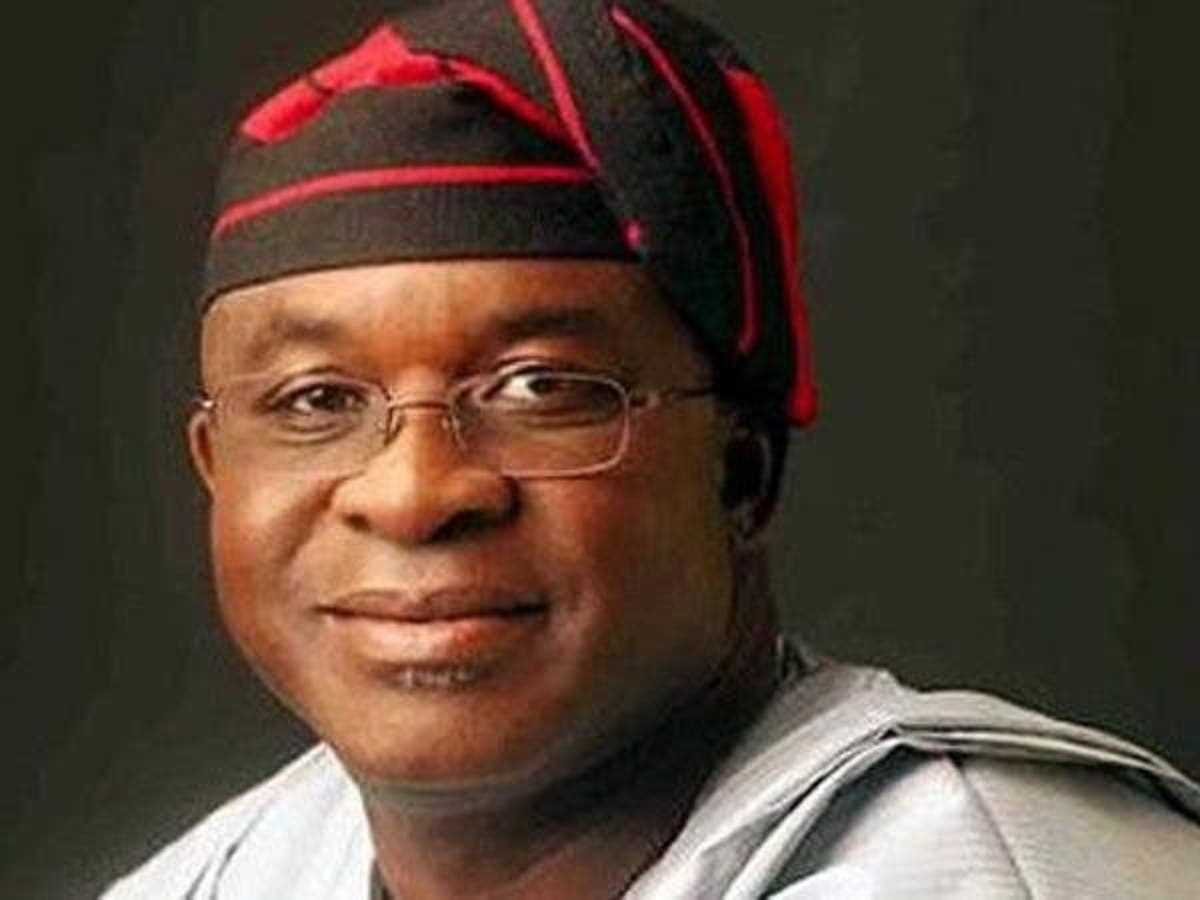
A fierce legal battle has erupted over the leadership of the African Democratic Congress (ADC), with a faction led by former Senate President David Mark moving to overturn the Independent National Electoral Commission’s (INEC) decision to withdraw its recognition.
The dispute, which has thrown the party into uncertainty, escalated after INEC removed the names of David Mark as National Chairman and Rauf Aregbesola as National Secretary from its official records, citing a Court of Appeal ruling. The move has triggered a wider struggle for control of the party and intensified tensions among stakeholders.
In response, the Mark-led leadership has approached the Federal High Court in Abuja, seeking an order to compel INEC to restore its recognition. Through a motion filed by senior lawyer Sulaiman Usman (SAN), the faction is asking the court to reverse what it described as a wrongful interpretation of the appellate court’s directive.
The application also seeks to force INEC to resume monitoring the party’s congresses and recognise the existing National Working Committee pending the outcome of the case. According to the legal team, the electoral body’s action has created a leadership vacuum and disrupted the party’s internal operations.
INEC had acted on a Court of Appeal ruling which directed parties to maintain the “status quo ante bellum”—a legal term referring to the last uncontested state of affairs. However, the Mark-led camp insists that the commission misapplied the order, arguing that the recognised leadership before the dispute should remain in place.
The controversy stems from a separate suit filed by Nafiu Bala Gombe, who is laying claim to the party’s leadership. Although a Federal High Court initially declined to grant his request for an injunction, the case has continued to generate legal and political ripples, with the appellate court ordering an accelerated hearing of the substantive matter.
Beyond the courtroom, the crisis is drawing national political attention. A delegation of Peoples Democratic Party (PDP) leaders, including Atiku Abubakar, Peter Obi, and Seyi Makinde, recently met with ADC stakeholders in what was described as a strategic discussion on the challenges facing opposition parties in Nigeria.
Meanwhile, Senator Victor Umeh has openly criticised INEC, accusing the electoral body of interfering in the internal affairs of the ADC. He argued that established legal precedents bar courts from determining party leadership disputes, describing the commission’s actions as unjustified and damaging to democratic processes.
With multiple legal filings and growing political interest, the ADC leadership crisis now stands as a significant test of Nigeria’s electoral framework, raising broader questions about party autonomy, judicial intervention, and the role of INEC in political disputes.