
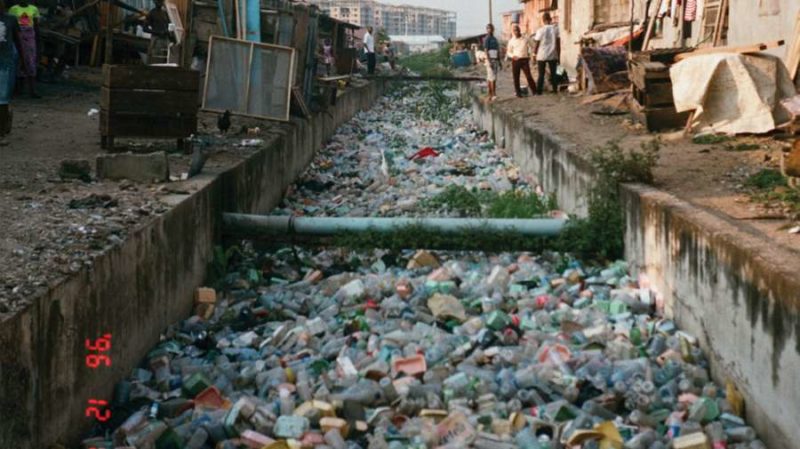
For residents of Karu, a satellite community on the outskirts of Abuja, daily life is dominated by the choking stench of decomposing waste that hangs thick in the air. From dawn till dusk, the odour seeps into homes, clings to clothes, and settles heavily in the lungs of those forced to live amid mounting refuse.
Most residents are low-income earners, traders, artisans, and civil servants unable to afford accommodation within the city. Satellite towns like Karu, Nyanya, Kurudu, Mararaba, and Kpegyi have become home to thousands, yet poor urban planning and weak waste management systems have created a growing environmental and health crisis.
Heaps of refuse spill from makeshift dumpsites onto streets. Black nylon bags burst open, exposing rotting food, plastics, medical debris, and broken household items. Flies swarm endlessly while goats, dogs, and scavengers rummage through the piles. Residents say refuse contractors and illegal dumpers take advantage of weak enforcement, often offloading waste under cover of darkness before returning to the city centre unchallenged.
For many, life amid the dumpsites has become unbearable. Trader Mrs. Comfort Eze lives barely 20 metres from a sprawling heap of waste. “The smell is unbearable, especially in the afternoon when the sun is hot. Sometimes, it feels like you cannot breathe properly. At night, it enters the house and we cannot sleep well,” she said. Her children frequently fall sick with malaria, cough, and skin infections.
Nearby, mechanic Mr. Sunday Audu says the dumpsites have hit his income. “When customers come, they complain about the smell. Some don’t even stay. They just turn back,” he said. Artisans and traders report similar struggles, with burning refuse adding smoke and toxic fumes to already unbearable conditions.
Children are also at risk. Ten-year-old Samuel Simon and other children play near refuse heaps because there are no safe playgrounds, while Aisha Musa, 12, reports constant sickness. Her mother, Hauwa Musa, laments the lack of safe spaces: “We tell them not to go there, but where else will they play?”
Health risks are mounting. Stagnant water pools around the heaps, breeding mosquitoes, while floodwater spreads waste into homes during the rainy season. Doctors warn that prolonged exposure to decaying waste releases harmful gases like methane and carbon monoxide, increasing the risk of chronic respiratory illnesses such as asthma and bronchitis. Contaminated water sources and pests contribute to malaria, typhoid, cholera, and diarrheal diseases. Mental health is also affected, with residents reporting chronic stress, anxiety, and depression.
Businesses suffer too. Roadside restaurants, fruit sellers, and street vendors report lost income as customers are repelled by the odour and flies. Residents feel abandoned, noting repeated complaints to authorities have yielded little action.
The Abuja Environmental Protection Board (AEPB) clarified that its responsibility covers only the city centre, leaving satellite towns under different jurisdiction. Residents call for improved waste collection systems, stricter enforcement against illegal dumping, and the establishment of designated disposal sites.
The FCT Minister, Nyesom Wike, has vowed to sanction erring contractors and launched dedicated reporting lines for residents to flag delays in waste evacuation. Authorities warn that unless urgent action is taken, the environmental and health crisis in Karu and neighbouring communities could escalate further.