
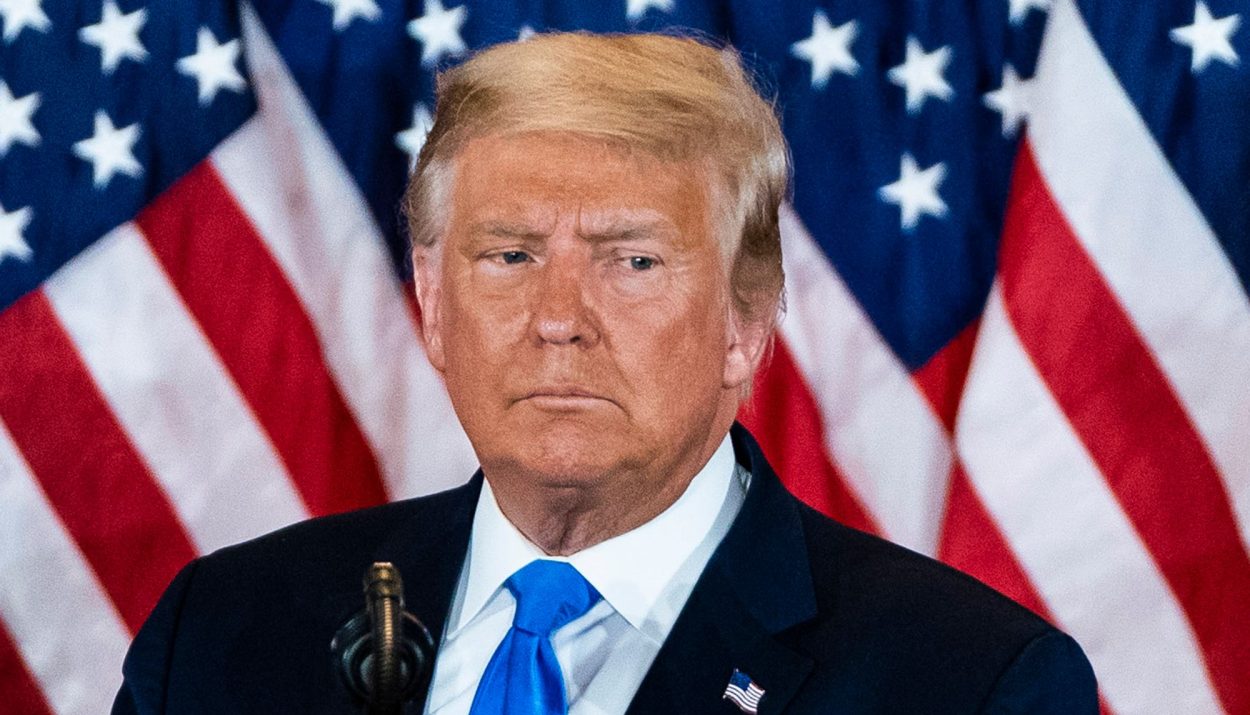
Oil prices surged nearly 7% on Thursday after US President Donald Trump reiterated threats to hit Iran “extremely hard” in the coming weeks, offering no clear details on how the conflict might end. Brent crude climbed to $108 a barrel while stock markets across Europe and Asia fell sharply following Trump’s address from the White House.
Trump said the US would complete its strategic objectives for the war “very shortly” and claimed that the next two to three weeks would see bombing campaigns against Iran “back to the Stone Ages.” Earlier, oil prices had dipped below $100 on hopes he would provide a timeline for ending the conflict, but his speech offered no new information.
The Iran war has already severely disrupted global oil and gas flows. Shipments through the Strait of Hormuz, a critical waterway, have largely halted after Iran threatened to attack tankers in retaliation for US-Israeli strikes that began on 28 February.
Trump insisted that the US did not need Middle Eastern energy supplies and urged other nations to intervene to free up shipments disrupted by the conflict. He said: “To those countries that can’t get fuel… build up some delayed courage, go to the Strait and just take it.”
West Texas Intermediate (WTI) crude rose 6.4% to about $106.50 a barrel immediately after the televised speech. Alberto Bellorin from InterCapital Energy called the price jump “a clear market reality check following earlier optimism for an imminent ceasefire,” noting that a return to normal now appears “months away rather than weeks.”
While Trump assured that oil and gas flows would resume quickly after the war ends, energy analysts warn of longer-term disruptions. Anne-Sophie Corbeau, former head of gas analysis at BP, said damage to the Gulf’s energy infrastructure from strikes by Iran, Israel, and the US could take three to five years to repair. She added that temporary fees for using the Strait of Hormuz, currently around $2 million per ship, could become permanent, further increasing costs for global energy users.
Stock markets reacted immediately. Europe’s indices fell, with the UK’s FTSE 100 opening lower, France’s CAC down 1%, and Germany’s DAX dropping 2%. In Asia, the Nikkei 225 closed 2.4% lower and South Korea’s KOSPI ended 4.5% down, reversing earlier gains as the region braces for the impact of sustained energy disruption.