
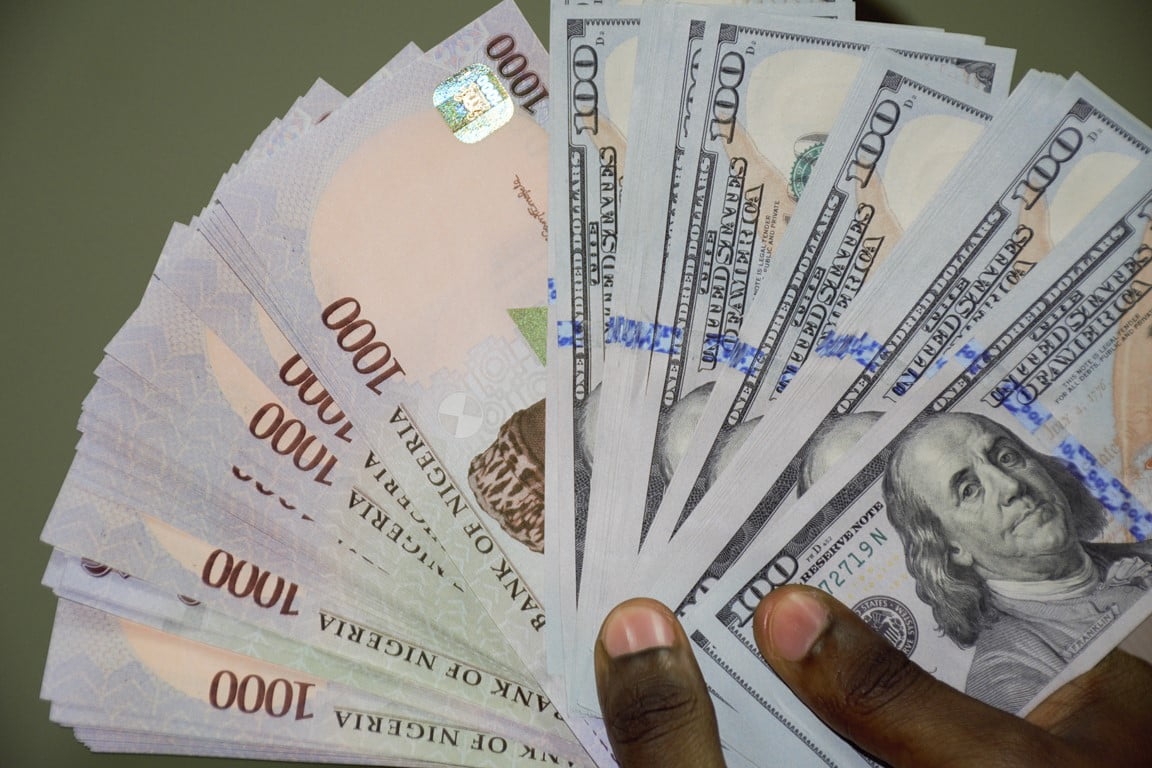
Strong inflows, diaspora remittances, and policy measures drive reserves surge
Nigeria’s gross external reserves have risen to $50.45 billion as of February 16, 2026, marking the highest level in over ten years, the Olayemi Cardoso announced following the Central Bank of Nigeria’s (CBN) 304th Monetary Policy Committee (MPC) meeting in Abuja on Tuesday.
The reserves now provide a 9.68-month cover for goods and services, strengthening the nation’s external position and economic resilience.
Drivers Behind the Surge
The CBN attributed the reserves growth to several factors:
- Strong foreign exchange inflows from higher oil and non-oil export earnings.
- Rising diaspora remittances.
- Implementation of Presidential Executive Order 09, which channels oil and gas revenues into the Federation Account, expected to bolster fiscal revenue.
Governor Cardoso emphasized that the growth reflects healthy current account surpluses, improved market confidence, and consistent policy implementation. “Without market confidence, no matter the interventions, outcomes will be suboptimal,” he said.
He cautioned, however, that global shocks, oil price volatility, pre-election spending, and fiscal gaps remain potential risks to reserves stability.
Policy Measures Strengthening Reserves
Key CBN interventions credited for steady reserves accumulation include:
- Elimination of multiple exchange rate windows.
- Clearance of foreign exchange backlogs.
- Strengthened market surveillance.
A detailed breakdown of net reserves is expected from the apex bank in the coming days, providing clarity on the accumulation trend over recent years.
MPC Cuts Interest Rate Amid Robust Reserves
In the same meeting, the CBN reduced the Monetary Policy Rate by 50 basis points to 26.5%, citing sustained disinflation and exchange rate stability. Analysts suggest that high reserves coupled with lower interest rates could further boost investor confidence and support broader economic growth.