
Flydubai Cockpit Attack Raises Questions Over Pilot Vetting and Aviation Security
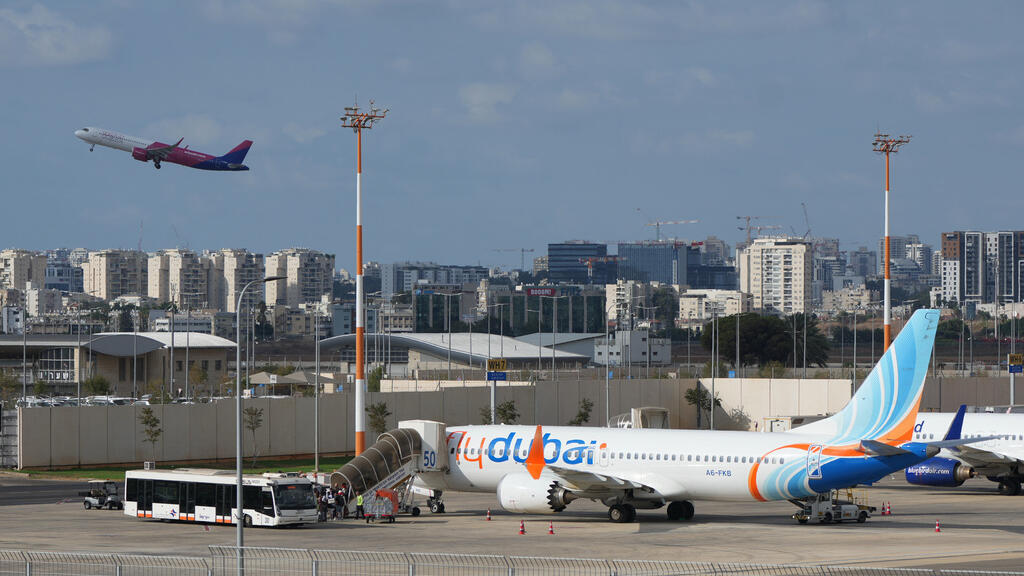
The Flydubai cockpit attack that forced a Tel Aviv-bound flight to make an emergency landing has raised fresh concerns over pilot screening, crew security and safeguards against threats from inside the cockpit.
The suspected attacker has been identified as co-pilot Hamam al-Hammami, who sources told CNN was removed from Oman’s national airline last year over concerns about his alleged extremist views. Despite those concerns, he was later able to work as a pilot and operate a flight to Israel.
Aviation experts say the incident highlights a gap in the way security systems are designed. Many measures introduced after the September 11 attacks focused on preventing passengers or outsiders from bringing weapons onto aircraft or gaining access to the flight deck. They were not primarily designed to deal with a threat coming from a member of the flight crew.
There is also no single international standard governing aviation background checks. Pilot licences and airport security passes are generally handled at national level, meaning requirements can differ between countries. Experts say crew members typically undergo police and background checks before receiving airside passes, but the effectiveness of those checks depends on the systems used by each country and airline.
Questions have also emerged over how al-Hammami was recruited after leaving his previous employer. Aviation specialists said airline hiring processes can include psychological assessments, simulator tests, medical examinations and references. However, these procedures vary between airlines, while information about previous employment problems may not always follow a pilot from one country or employer to another.
The incident has also prompted scrutiny of cockpit security. The United Arab Emirates confirmed that the suspected attacker used the aircraft’s emergency crash axe rather than smuggling a knife onto the plane. Experts questioned whether such equipment should remain readily accessible on the flight deck, while noting that airlines must balance security requirements with the need to respond to emergencies.
Investigations are now being conducted by authorities in the UAE, Israel and Saudi Arabia, where the aircraft made its emergency landing. Investigators are expected to examine the flight data and cockpit voice recorders, as well as the suspect’s medical, training and employment history. They are also expected to interview crew members, passengers and the pilots who helped bring the aircraft safely to the ground.
The incident has further exposed questions about how foreign airline crews are vetted before entering Israel. Israeli authorities said crew names are submitted to the Tax Authority, while the Transport Ministry said its procedures do not include checking crew names specifically and do not address the threat posed by a pilot. Prime Minister Benjamin Netanyahu has since ordered a thorough review of security arrangements for foreign civil aviation entering Israel.