
Tinubu Warns Police Ahead of 2027 Polls as Questions Mount Over Electoral Conduct
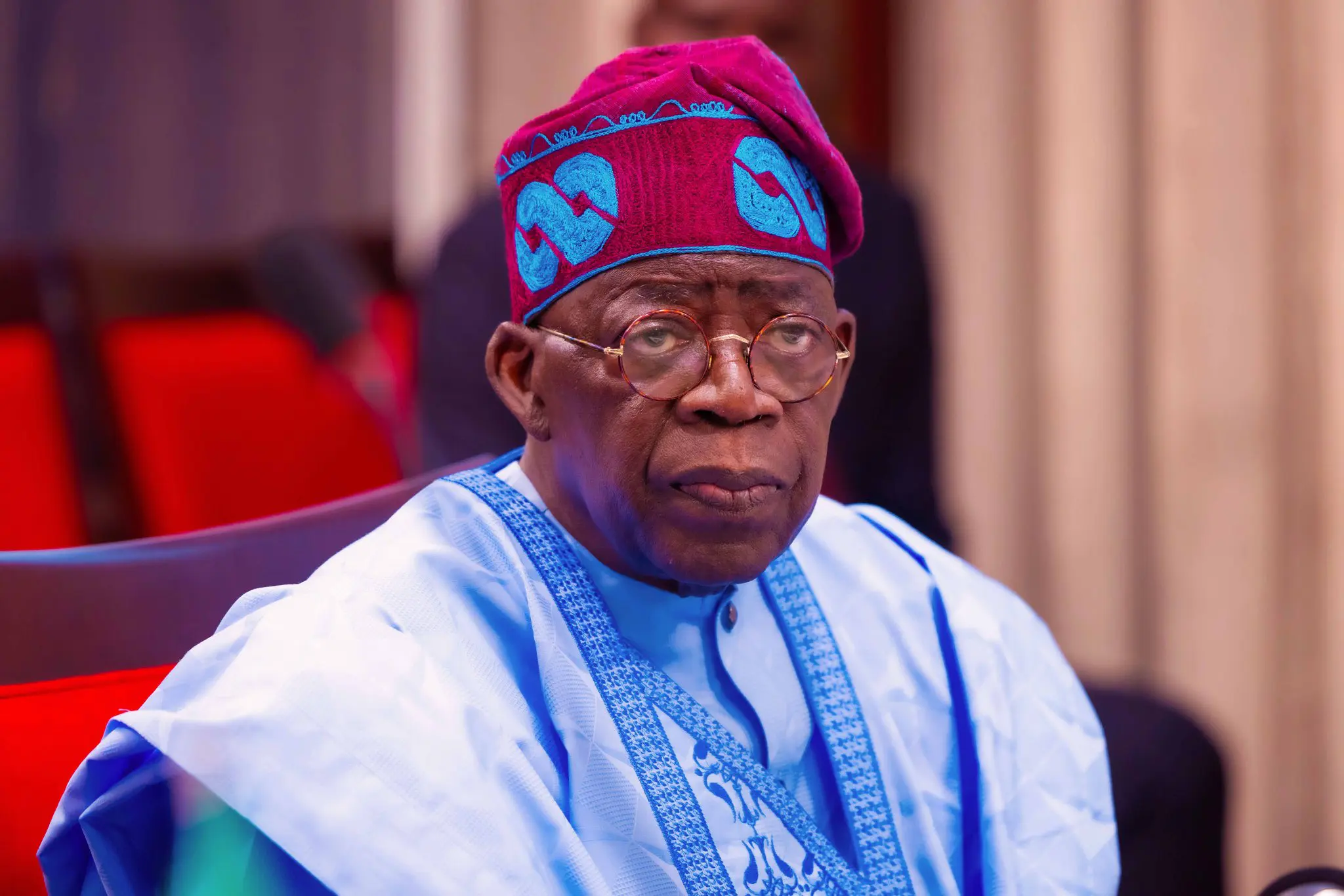
President Bola Tinubu’s call for professionalism and impartiality within the Nigeria Police Force is drawing renewed attention as political activity intensifies ahead of the 2027 general elections. At the September 2026 Conference and Retreat for Senior Police Officers in Owerri, Tinubu said the police must remain a national institution rather than an instrument of political interests.
The President’s warning comes amid concerns about electoral security, political violence and the conduct of security agencies during elections. The Nigeria Police Force has separately outlined a security framework for the 2027 polls covering intelligence gathering, officer training, inter-agency coordination, technology, community engagement and political neutrality.
The issue of electoral offences remains significant. During the 2023 general elections, a police report cited by the Federal Government recorded 489 cases of electoral infractions and 781 electoral offenders who were expected to face prosecution. Earlier, during the 2019 presidential and National Assembly elections, police reported 323 arrests for alleged electoral offences.
The record from more recent elections also shows that arrests do not necessarily end with prosecution or continued detention. During the August 2026 Osun governorship election, police said 295 suspects were arrested, with 293 released on bail after screening and two remaining in custody for further investigation and prosecution.
The conduct of individual officers has also attracted scrutiny. During the Osun election, the state police command arrested an officer following an accidental tear-gas discharge at a Registration Area Centre in Modakeke. The command described the incident as an act of personal negligence and rejected claims that officers deliberately targeted voters.
Against this background, the President’s directive places responsibility on the police leadership to translate the call for neutrality into operational practice. Inspector-General of Police Tunji Disu has said the force is preparing officers for the 2027 elections and has stressed neutrality, professionalism and accountability as part of its preparations.
The debate also extends to the treatment of political actors and voters during election periods. Allegations of politically motivated arrests or intimidation have surfaced ahead of recent elections, although the police have denied some of the claims made by political campaign organisations.
With the 2027 elections approaching, the effectiveness of the police response will depend not only on presidential directives but also on how consistently officers apply electoral laws and their operational rules. The challenge for the force will be to protect voters, candidates and electoral personnel while investigating alleged offences and ensuring that lawful political activity is not disrupted.