
FIFA Suspends NFF Election, Says No Decision Yet on Nigeria Football Crisis
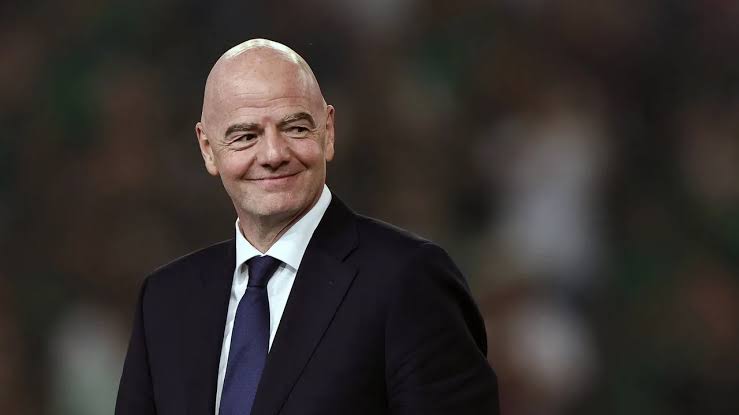
FIFA has suspended the planned September 27 Nigeria Football Federation (NFF) election as it weighs the legal and governance implications of the federation’s leadership crisis.
The world football governing body said it has not reached a final decision on what should happen next following the resignation of NFF President Ibrahim Gusau, General Secretary Mohammed Sanusi and several members of the Executive Committee.
In a letter to NFF Deputy General Secretary Emmanuel Ikpeme on Monday, FIFA and the Confederation of African Football (CAF) said they were reviewing the legal, governance, administrative and electoral consequences of the leadership changes before determining their next steps.
The mass resignations followed growing concerns over Nigeria’s national teams, including the failure of the Super Eagles and Super Falcons to qualify for their respective World Cups. Gusau and other officials resigned on August 27, just weeks before the scheduled NFF election.
The crisis has also drawn the attention of the Nigerian government. A delegation led by National Sports Commission Chairman Shehu Dikko met FIFA President Gianni Infantino and other officials at FIFA House in Zurich on September 1 to discuss the situation.
FIFA Chief Member Associations Officer Elkhan Mammadov said the organisation had received several communications from Nigerian football stakeholders and was carefully examining the circumstances. He stressed that neither FIFA nor CAF had reached a conclusion or decided what action should follow.
The proposed normalisation committee process is therefore on hold. FIFA has also asked that the September 27 election be suspended, saying the move is intended to give FIFA and CAF time to complete their assessment and consult the relevant stakeholders.
FIFA and CAF are expected to send delegations to Abuja to meet NFF officials, members of the NFF Congress, the federation’s electoral bodies and the National Sports Commission. FIFA said the outcome of those consultations will help determine whether recommendations should be presented to the relevant decision-making bodies, warning that no assumptions should yet be made about the final outcome.
Latest Video
EL CLÁSICO PREVIEW BARCELONA vs REAL MADRID | YAMAL vs MBAPPÉ — WHO WINS?
Follow OtownGist Sports
Get the latest stories, videos and conversations directly on the platforms you use.