
Akwa Ibom Plunges to 36th in 2026 NECO Results as Five-Credit Pass Rate Falls to 37.42%
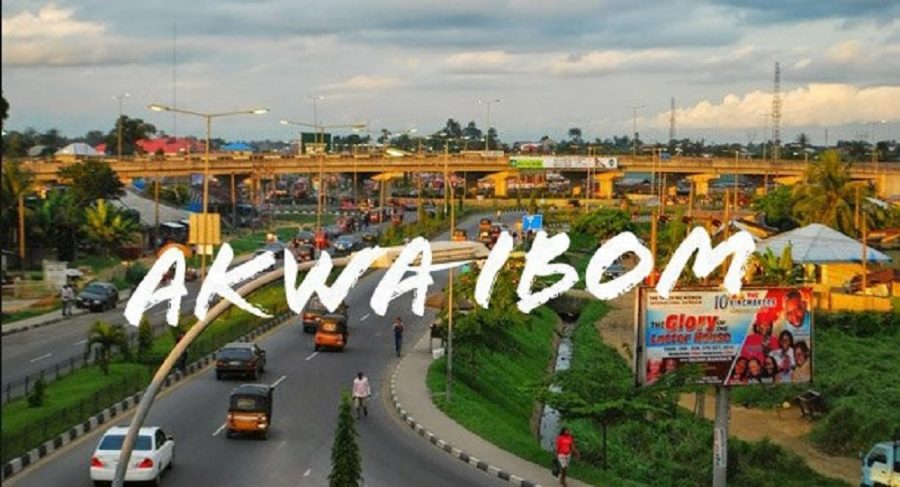
Akwa Ibom State has recorded a sharp decline in its performance in the 2026 Senior School Certificate Examination conducted by the National Examinations Council (NECO), ranking 36th among Nigeria’s 36 states and the Federal Capital Territory. Only 37.42 per cent of candidates secured at least five credits, including English Language and Mathematics.
Data cited by PREMIUM TIMES show that 7,754 of the 20,720 candidates from Akwa Ibom who sat the examination met the five-credit benchmark. Only Sokoto State recorded a lower performance, with 26.82 per cent of candidates meeting the requirement.
The result represents a major drop from the state’s 2025 performance, when Akwa Ibom ranked 12th nationally. That year, 13,090 of 19,513 candidates, representing 67.08 per cent, obtained at least five credits including English and Mathematics. In 2024, the state recorded 67.32 per cent and ranked 18th nationally.
Akwa Ibom was also the lowest-performing state in the South-South region in the 2026 ranking. Rivers ranked 22nd with 56.38 per cent, while Cross River recorded 62.18 per cent and ranked 18th. Other southern states performed considerably better, including Abia, which retained first place nationally with 81.78 per cent, and Ebonyi, which ranked second with 81.03 per cent.
The sharp decline has raised questions about education funding and the implementation of the state’s education policies. PREMIUM TIMES reported that Governor Umo Eno’s administration received at least N2.934 trillion in revenue during its first 38 months in office. The state also said it approved N1.968 billion for examination fees for students in public basic and secondary schools in July. However, the report noted that examination-fee funding alone does not address broader teaching and learning conditions.
Akwa Ibom allocated N94.41 billion to education in its 2026 budget, representing 8.15 per cent of its N1.158 trillion total budget. That share was below the 26 per cent benchmark referenced in Nigeria’s National Policy on Education and UNESCO recommendations. By comparison, Delta allocated 11.98 per cent of its 2026 budget to education, while Abia and Ebonyi allocated 19.93 per cent and 19.86 per cent respectively.
The latest results have also revived questions about the implementation of the Akwa Ibom Strategic Education Roadmap 2020–2030. The roadmap identified challenges including inadequate and poorly trained teachers, high student-teacher ratios, poor deployment, limited teaching aids, teacher welfare concerns and inadequate counselling. It recommended the recruitment and training of 2,000 secondary school teachers and 3,000 primary school teachers within eight months, with a long-term target of reducing the student-teacher ratio to 40:1.
PREMIUM TIMES said it contacted the Commissioner for Education, Ubong Umoh, for an explanation of the result and asked about possible factors including teacher shortages, examination preparedness, spending on training and instructional materials, and plans for the 2027 examinations. The commissioner had not responded to the calls and media enquiry at the time of the report. The fall from 67.08 per cent in 2025 to 37.42 per cent in 2026 leaves questions about whether the result reflects a one-year setback or deeper challenges within the state’s education system.