
2027: South-East Parties Step Up Campaigns as Ebonyi Violence Raises Fresh Concerns
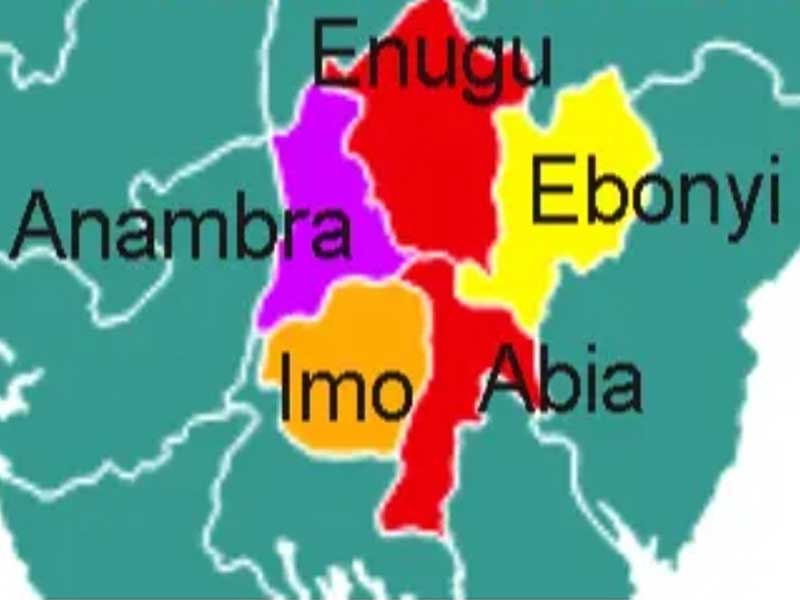
Political parties across the South-East are stepping up preparations for the 2027 elections, with rival camps building grassroots structures, selling their records and positioning their candidates for what is shaping up to be a fiercely contested battle across the region.
The major parties are taking different routes to the polls. While the APC is relying on the records of incumbent administrations in states such as Enugu, the Labour Party is defending its position in Abia, while the PDP, ADC, NDC, APGA and other parties are expanding their structures and seeking to turn growing political activity into electoral gains.
Ebonyi has emerged as one of the most closely watched battlegrounds, but concerns over political violence are already casting a shadow over the contest. Parties have called for issue-based campaigns even as several violent incidents have unsettled political actors and residents.
APC state chairman Stanley Okoro Emegha said his party would campaign on its record and challenged opposition parties to avoid inflammatory statements and personal attacks. Labour Party chairman Henry Ude, however, expressed concern over attacks allegedly targeting political gatherings and opposition supporters, including incidents reported in Ezza South and Ohaukwu Local Government Areas. The PDP has also called for political tolerance and a level playing field, while accusing the ruling party of creating an atmosphere hostile to opposition activities.
The violence has added urgency to calls for a peaceful election season. An elderly man, Ubochi Onwe, was reportedly killed after attending an APGA political consultation in Umuogudu Oshia Ngbo, Ohaukwu LGA, while Shedrack Onele was seriously injured after hosting an NDC gathering in Ebonyi Local Government Area. Political parties have urged security agencies to protect campaigners and voters and prevent violence from escalating as the election draws closer.
In Abia, the ruling Labour Party is concentrating on strengthening its grassroots network across the state’s 17 local government areas. Party officials say Governor Alex Otti’s performance has generated strong public support and will help the party retain the Government House in Umuahia. The APC, however, says it is expanding its structures across wards and senatorial districts and is targeting the governorship, National Assembly and state Assembly seats.
The PDP is also seeking a return to power in Abia, with its governorship candidate, Kelechi Anosike, describing the party’s resurgence as the result of deliberate planning. The African Action Congress, led into the governorship contest by actress Doris Ogala, and the Action People’s Party, whose candidate is retired Major General Ijioma Nwokoro Ijioma, are also presenting themselves as alternatives to the major contenders.
Enugu presents another major contest, with the APC, ADC and NDC adopting sharply different strategies. The APC is highlighting Governor Peter Mbah’s projects, including developments in education, healthcare, infrastructure and Enugu Air, while arguing that the administration’s performance has left the opposition with little to offer. The ADC is banking on grassroots mobilisation, its candidate’s support base and the zoning of its governorship ticket to Enugu North, while the NDC says it is building structures capable of operating from voter mobilisation through polling, result transmission and possible legal challenges.
The parties are also drawing lessons from recent elections, particularly the use of technology in result management. The ADC and NDC said the experience of the Osun governorship election reinforced the need for strong polling-unit structures and close monitoring of results, while stressing that technology alone cannot guarantee credible elections without effective party organisation and electoral safeguards.
In Imo, opposition parties have moved to activate their structures following the lifting of the campaign restriction. The ADC said it had begun a statewide tour of the state’s 27 local government areas to mobilise supporters, while the APP said it was preparing to campaign on issues affecting traders, farmers, artisans and other residents. The NDC is also planning a major grassroots mobilisation effort, with its leadership arguing that a determined electorate can prevent attempts to manipulate election outcomes.
Across the South-East, the emerging battle is therefore not only about political parties and candidates but also about organisation, voter confidence, campaign conduct and control of grassroots structures. With 2027 approaching, the region’s political parties are preparing for a contest in which performance, zoning, security, electoral technology and the ability to mobilise voters could all prove decisive.