
Sowore Urges Tinubu to Delay State Police Bill Until After 2027 Elections
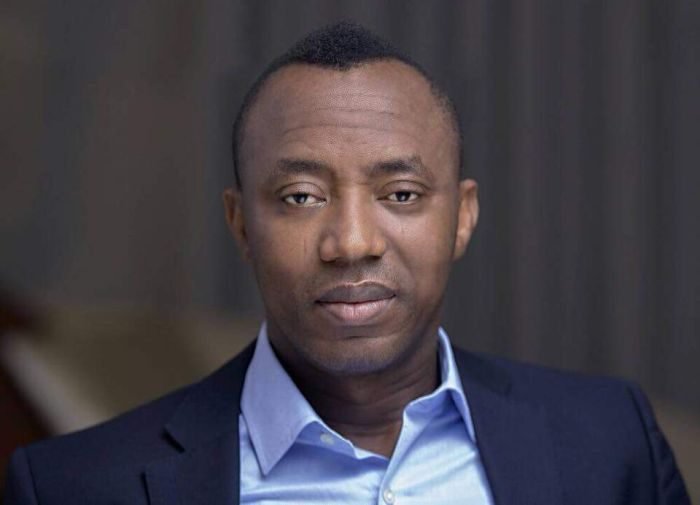
Human rights activist and former presidential candidate Omoyele Sowore has called on President Bola Tinubu to postpone plans to introduce Nigeria’s proposed state police framework, warning that pushing ahead with the reforms ahead of the 2027 elections could undermine the country’s democratic process.
Speaking on Channels Television’s The Morning Brief on Tuesday, Sowore argued that the timing of the proposed legislation is inappropriate, as political parties and electoral stakeholders are already shifting focus toward the forthcoming general elections.
According to him, introducing a major constitutional reform such as state policing just months before the elections risks distracting from preparations for a free, fair and credible poll.
“I would say that we wait until the elections are over. The election is a major distraction at this time. Everybody is going to be more interested in how to campaign, how to choose their candidates, and how to ensure the elections are free and fair,” Sowore said.
He maintained that state policing represents a far-reaching constitutional restructuring that requires extensive public consultation rather than an accelerated legislative process. He warned that rushing the bill without broad national debate could create unintended consequences for Nigeria’s federal system.
Sowore’s comments came a day after the Chief of Staff to the President, Femi Gbajabiamila, announced that the draft National Policing Bill is expected to be presented to President Tinubu on September 3. Gbajabiamila said the proposed legislation would undergo a national consultation before being finalised and transmitted to the National Assembly.
Despite that assurance, the African Action Congress (AAC) leader insisted the reform should first be subjected to wider public engagement across the country. He said Nigerians deserve enough time to study the proposal and contribute to discussions before lawmakers consider such a significant constitutional amendment.
Sowore also expressed concern about granting governors control over state police, arguing that many state executives cannot be trusted with security agencies of such influence, particularly during an election period.
“I also align with those who say this is suspicious and being rushed. It should have gone across the states so the public can make input,” he said, adding that he fears state police could be misused by political officeholders to influence elections if established before the polls.
The debate over state police has intensified in recent years as insecurity continues to challenge security agencies across Nigeria. While supporters argue that decentralised policing would improve local security and response times, critics warn that the system could be politicised and raise funding and accountability concerns.