
Osun Election: Atiku, Obi, Kwankwaso, Governors Congratulate Adeleke as Opposition Sees 2027 Signal
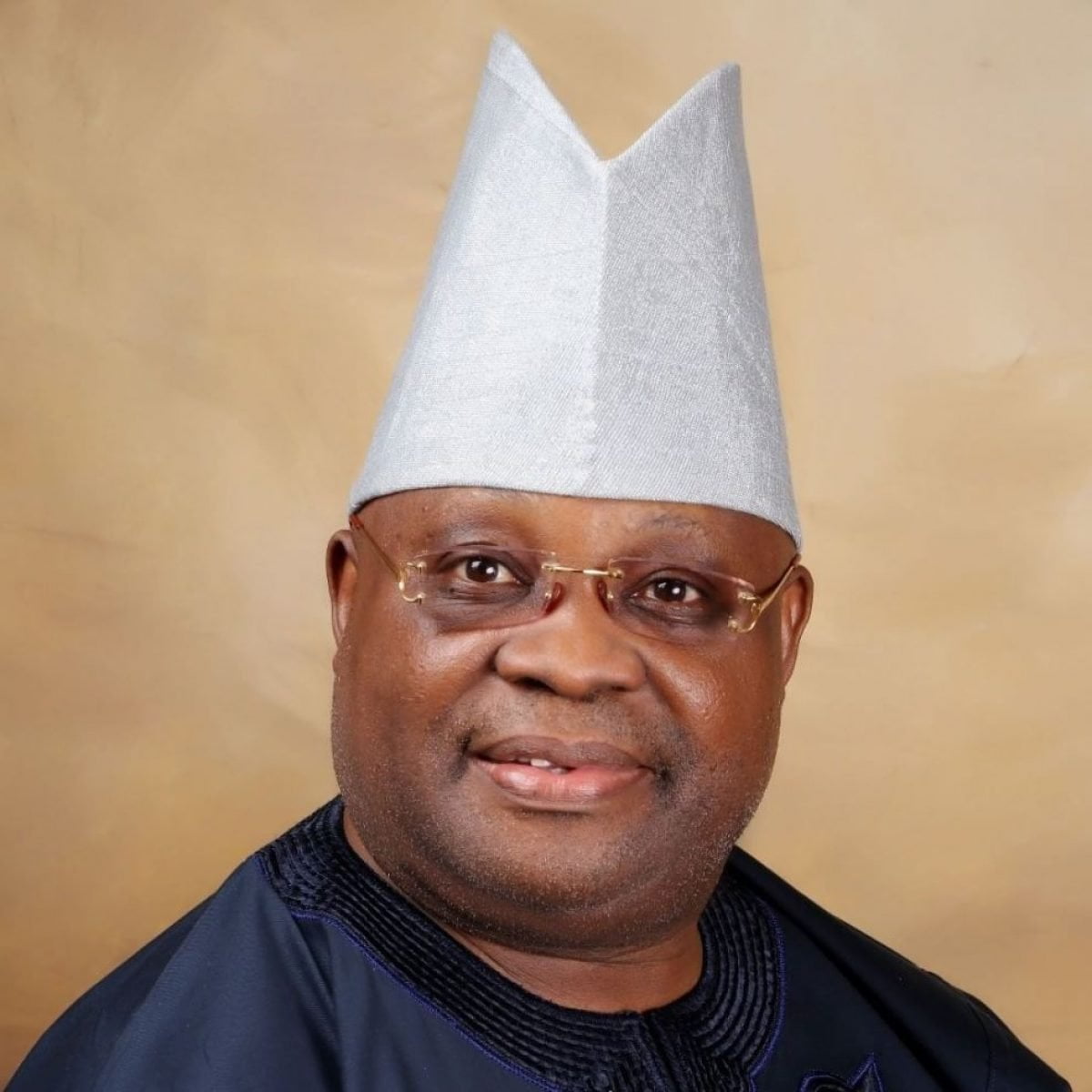
Governor Ademola Adeleke’s re-election in Osun State has triggered a wave of congratulations from opposition leaders, state governors, political parties and civil society groups, with several describing the result as a victory for voters and a warning ahead of the 2027 general elections.
Adeleke, who contested under the Accord Party after leaving the Peoples Democratic Party, defeated All Progressives Congress candidate Bola Oyebamiji in the August 15 governorship election. The governor secured 511,067 votes against Oyebamiji’s 444,815, winning by 66,252 votes after taking 19 of the state’s 30 local government areas. African Democratic Congress candidate Najeem Salaam finished third with 17,180 votes.
The result represented a much wider margin than Adeleke achieved in 2022, when he defeated then-APC governor Gboyega Oyetola by 28,344 votes. His latest victory has therefore become a major talking point among opposition figures, particularly those already positioning themselves for the 2027 presidential contest.
Former Vice President Atiku Abubakar congratulated Adeleke and praised Osun voters for what he described as their determination to protect their votes. Atiku argued that the election demonstrated how active voter participation could frustrate vote-buying, rigging and other electoral irregularities. He also used the result to claim that Nigerians were increasingly dissatisfied with the Bola Tinubu administration and predicted an APC defeat in 2027.
Peter Obi also hailed the result, saying Osun voters had demonstrated the power of citizens to defend their democratic mandate. He particularly praised young voters for peacefully participating in the election and urged Nigerians to remain active and vigilant as the country approaches the 2027 elections.
Rabiu Kwankwaso, the NDC vice-presidential candidate, described Adeleke as a friend and congratulated him on securing another term. He commended Osun voters for exercising their democratic rights and praised INEC for conducting the election, while calling on electoral stakeholders to maintain credible and transparent processes.
The Nigeria Governors’ Forum also congratulated Adeleke, saying his performance and personality had helped secure renewed confidence from voters. The forum, chaired by Kwara State Governor AbdulRahman AbdulRazaq, praised the large voter turnout and the role of opposition parties in sustaining Nigeria’s democracy.
Several governors echoed that position. Ekiti Governor Biodun Oyebanji said Adeleke should be magnanimous in victory and involve other contestants in governing Osun, while Abia Governor Alex Otti praised the peaceful participation of voters despite reported irregularities. Oyo Governor Seyi Makinde described Adeleke’s victory as a reward for good governance and commended Osun voters for resisting what he called attempts to suppress their will.
The reactions were not limited to governors and presidential contenders. Senator Natasha Akpoti-Uduaghan, Afenifere and the PDP also congratulated Adeleke, with each emphasising the importance of respecting the electorate’s decision. Afenifere urged the governor to treat his renewed mandate as a responsibility rather than a political trophy, while the PDP said it remained proud of its contribution to Adeleke’s political rise despite his decision to contest under Accord.
Some of the reactions carried a clear 2027 political message. A faction of the PDP described the Osun result as a warning to the APC, while politicians including Ogun PDP governorship candidate Oladipupo Adebutu used Adeleke’s victory to attack the ruling party’s prospects in other states. Segun Showunmi similarly argued that political endorsements and federal influence could no longer guarantee electoral victory when voters had made up their minds.
Yet the election has also left unresolved questions over the conduct of the campaign and voting process. Political groups exchanged allegations of intimidation, security interference, violence and other irregularities before and during the poll. Some of those claims remain allegations and have not been independently established.
For Adeleke, however, the immediate challenge is no longer winning the election but governing after it. His second mandate comes with expectations from voters who have now given him a significantly larger electoral margin, while his decision to leave the PDP for Accord means he must also manage a political structure that has been radically reshaped since his first victory.
The congratulations may be about Osun, but the political interpretation is already much bigger. Opposition figures see the result as evidence that voters can overcome political machinery, while APC supporters argue that a single off-cycle election should not be treated as a forecast of the 2027 presidential contest. What Adeleke does with his renewed mandate — and how the APC responds — could determine whether Osun remains an isolated upset or becomes an early sign of a much wider political shift.