
Osun Decides 2026: Adeleke, Oyebamiji, Salaam Battle for Governor as State Votes Amid Political Tensions
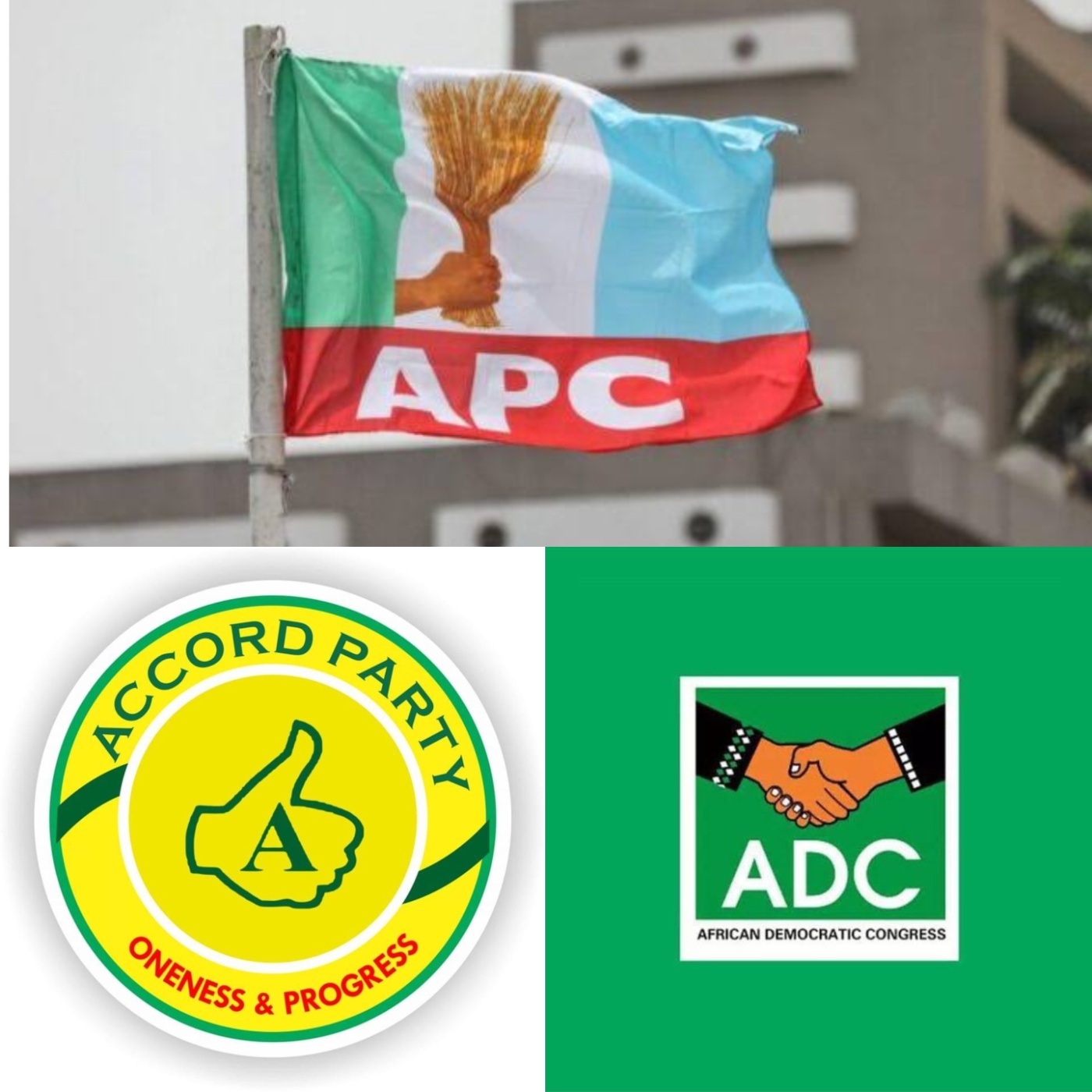
All eyes are on Osun State as voters head to the polls on Saturday, August 15, 2026, to choose their next governor in an election shaped by defections, court battles, local government disputes and growing concerns over political violence.
The contest pits incumbent Governor Ademola Adeleke of the Accord Party against All Progressives Congress, APC, candidate Bola Oyebamiji and African Democratic Congress, ADC, flagbearer Najeem Salaam. The election is the latest chapter in a political struggle that began with the closely fought 2022 governorship poll.
Adeleke won that election for the Peoples Democratic Party, PDP, defeating then-incumbent Adegboyega Oyetola of the APC by 403,371 votes to 375,027, according to figures announced by the Independent National Electoral Commission. Oyetola challenged the result, but after the election was overturned by the tribunal and later restored by the Court of Appeal, the Supreme Court affirmed Adeleke’s victory in May 2023.
The political map has since shifted dramatically. Adeleke left the PDP for Accord in December 2025 and is now seeking a second term under a different platform. His move was followed by the defection of 25 PDP members of the Osun State House of Assembly to Accord, strengthening the governor’s political structure ahead of the election.
The APC, meanwhile, has rallied around Oyebamiji, a former Osun Commissioner for Finance and Managing Director of the National Inland Waterways Authority. His emergence followed a consensus process involving eight APC aspirants, while Oyetola, now Minister of Marine and Blue Economy, opted not to contest and instead backed the party’s campaign to regain power in the state.
Beyond the major parties, Salaam has given the ADC a potentially important place in the race. The former Speaker of the Osun State House of Assembly emerged as the party’s candidate after securing 520 of 528 valid votes at its primary. His campaign has focused on governance and development, including plans to address the state’s electricity challenges.
The election also comes against the backdrop of a bitter local government dispute. A 2025 council election conducted by the Osun State Independent Electoral Commission produced PDP victories across the state, but the APC rejected the exercise and maintained that its previously elected officials remained legitimate following court proceedings. The dispute resulted in competing claims over control of the state’s 30 local government areas and contributed to wider political tensions.
Security has become another major concern. Police have deployed 15,000 personnel, while the Nigeria Security and Civil Defence Corps announced a deployment of more than 10,000 operatives. The Nigerian Army is also supporting the security operation, alongside agencies including the EFCC and ICPC. Authorities have repeatedly urged political parties and their supporters to avoid violence, intimidation and the destruction of campaign materials.
The final outcome will also test INEC’s preparations. The commission plans to deploy 3,763 BVAS devices to the state’s 3,763 polling units, with 664 additional devices available as backups. Civil society groups and election observers have also raised concerns about security, political tension, misinformation and the need for an inclusive and credible election.
For Adeleke, Saturday’s vote is a chance to secure another term after an extraordinary political journey from PDP candidate to Accord incumbent. For Oyebamiji and the APC, it is an opportunity to reverse the party’s 2022 defeat and return to power. For Salaam and the ADC, the challenge is to break into a contest dominated by two major political structures.
With the memories of the 2022 legal battle, the unresolved local government crisis and months of political realignment still fresh, Osun voters now have the final say. The bigger question is whether the state can deliver a peaceful and credible election that reflects their choice.