
Oganihu Demands End to Checkpoint Extortion, Arbitrary Detention Across South-East
A civic group, Oganihu, has demanded an immediate end to alleged extortion at security checkpoints and arbitrary detention of citizens across Nigeria’s five South-East states.
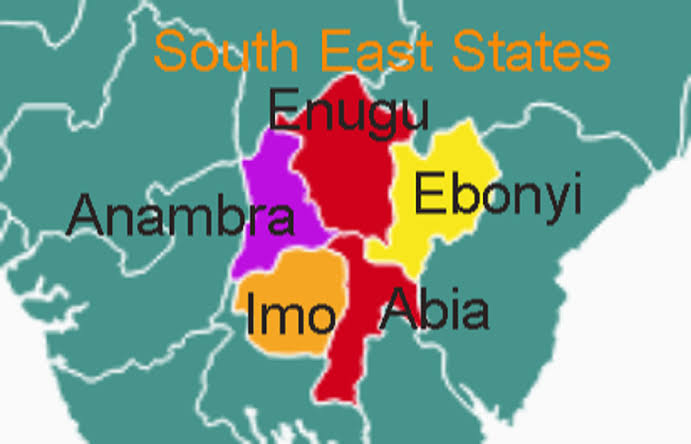
The organisation made the call in a statement signed by its Chairman, Professor Chijioke Uwasomba; Secretary, Uzodimma Nwogbe; and Advocacy Coordinator, Okechukwu Nwanguma. It expressed concern over what it described as declining security, accountability and respect for citizens’ rights in Abia, Anambra, Ebonyi, Enugu and Imo.
Oganihu said it recognised the responsibility of security agencies to protect lives and prevent crime, particularly in a region that continues to face kidnapping, armed attacks and other security threats. However, it argued that security concerns should not be used to justify harassment, degrading treatment or alleged extortion of motorists and transporters.
“Security necessity cannot justify extortion, harassment, degrading treatment or the conversion of highways into revenue-collection corridors,” the group said, noting that similar complaints have been raised by motorists, farmers, traders, transporters, civil society organisations and journalists.
The group urged the Inspector-General of Police, military authorities and other security agencies operating in the South-East to immediately audit checkpoints across the five states. It wants authorities to establish the locations, operational justification, authorisation and personnel responsible for each checkpoint.
Oganihu further called for security personnel accused of demanding or collecting money from road users to be investigated and, where appropriate, subjected to disciplinary or criminal proceedings. It also urged the five South-East governors and state Houses of Assembly to strengthen oversight of security operations.
The organisation also raised concerns over alleged arbitrary arrests and prolonged detention of people suspected of separatist activities. Citing Amnesty International’s 2025 report, it referred to documented testimonies concerning detainees arrested in the South-East and transferred through DSS facilities to Wawa Barracks, including allegations of torture and poor detention conditions.
Oganihu demanded a transparent account of people currently held at Wawa Barracks and other military or security detention facilities in connection with security operations in the region. It called for authorities to disclose detainees’ identities, arrest details, detaining agencies, legal status and pending charges, while ensuring that families are informed and detainees have access to lawyers.
The group said it would engage the South-East governors, state lawmakers, National Assembly, security institutions and oversight bodies on the matter. It also pledged to work with civil society organisations, professional bodies, transport groups and community associations to document alleged abuses and pursue institutional and, where necessary, judicial remedies.