
FIFA Crisis Deepens as Argentina, Mexico Back Infantino While UEFA Pushes for His Exit
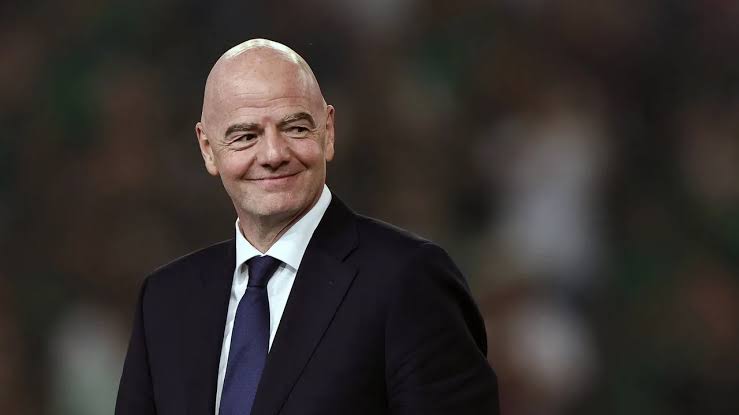
A growing power struggle within world football has intensified after Argentina and Mexico publicly declared support for FIFA President Gianni Infantino, deepening the divide between football’s governing bodies over the future leadership of FIFA.
The latest endorsements came just a day after the Confederation of African Football (CAF) unanimously backed Infantino, strengthening his position despite mounting criticism over FIFA’s now-withdrawn proposal to sell commercial rights linked to the FIFA World Cup and other major tournaments.
The controversial proposal sparked strong opposition from several football confederations, with critics accusing FIFA of failing to properly consult stakeholders before introducing the plan. Although FIFA has since apologised for mistakes in the consultation process and pledged to review its internal procedures, it has continued to express confidence in Infantino’s leadership.
The biggest resistance has come from UEFA, European football’s governing body, which has maintained its boycott stance against FIFA’s leadership. The conflict escalated further after the Norwegian Football Federation called on Infantino to resign, arguing that he no longer enjoys the confidence needed to lead world football.
Despite pressure from Europe, support for Infantino continues to grow elsewhere. Argentina’s Football Association (AFA) praised FIFA’s governance over the past decade, saying the organisation has promoted football development and institutional stability worldwide. While acknowledging concerns over the commercial rights proposal, the AFA said reforms should continue under Infantino’s leadership rather than through efforts to remove him.
Mexico also broke ranks with its regional confederation, CONCACAF, by backing Infantino. The Mexican Football Federation described his leadership as important for the continued development of football across FIFA’s 211 member associations.
Africa’s backing could prove especially significant ahead of next year’s FIFA Congress in Morocco. With 54 member associations, CAF represents the second-largest voting bloc in FIFA, giving Infantino considerable support as speculation grows over a possible challenge to his presidency.
The Asian Football Confederation (AFC) has adopted a more cautious position. While criticising FIFA’s handling of the commercial rights proposal and supporting calls for greater consultation, several Asian football associations—including Indonesia, Qatar, Kuwait, Sri Lanka, and the Philippines—have individually expressed support for Infantino.
The debate has also drawn criticism from national football associations and players’ representatives. Croatia recently withdrew its backing for Infantino, joining England and Albania, while global players’ union FIFPRO described the abandoned commercial rights proposal as a serious failure of governance.
As football’s governing bodies remain divided, attention is now turning to the 2027 FIFA Congress in Morocco, where Infantino is expected to seek another term amid growing calls for reform and renewed debate over the future direction of world football.
Latest Video
Barça Can't Stop Scoring! Real Madrid's €135M Diomande Selection Problem
Follow OtownGist Sports
Get the latest stories, videos and conversations directly on the platforms you use.