
2027 Elections: Kwankwaso Predicts Defeat for Many Governors Seeking Re-Election
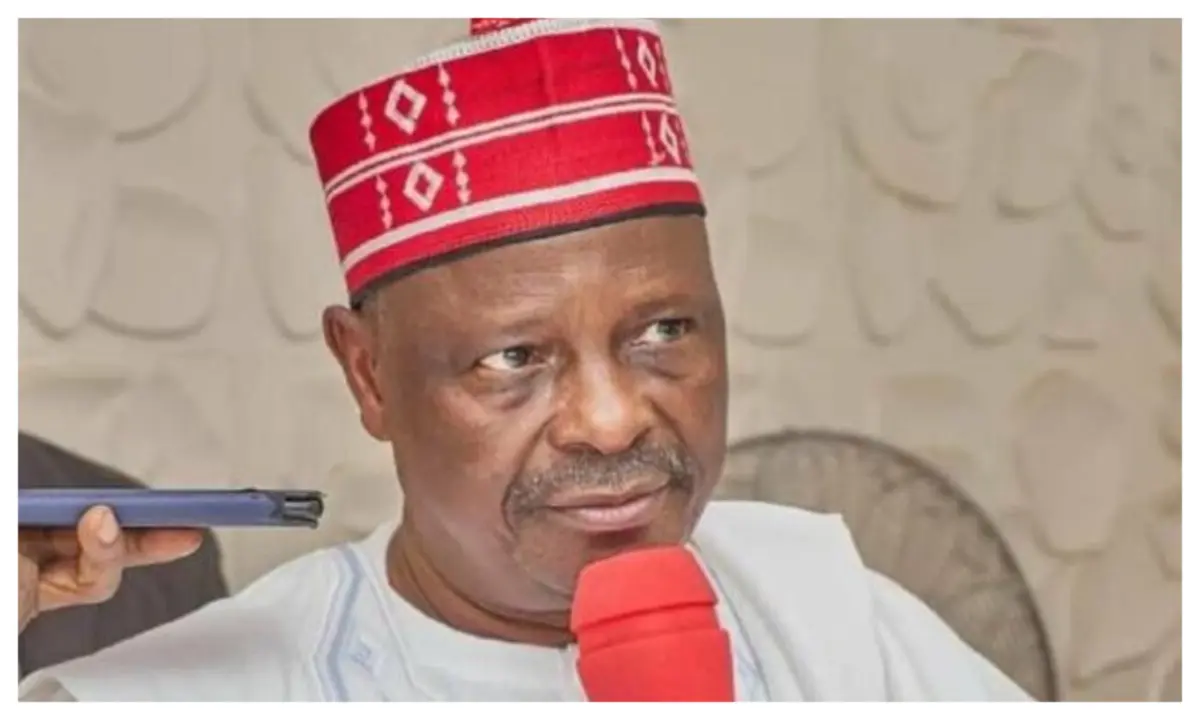
Rabiu Kwankwaso, presidential running mate of the Nigeria Democratic Congress (NDC), has predicted that many state governors seeking re-election in 2027 could suffer defeat at the polls.
Kwankwaso said growing political awareness among Nigerians could make it harder for governors to rely on their control of government structures to secure another term. He made the remarks during the News Agency of Nigeria (NAN) Personality Interview Series in Abuja on Sunday.
The former Kano State governor warned governors against manipulating elections or using state institutions to influence the outcome of the 2027 polls. He argued that voters were becoming increasingly aware of political tactics and could reject incumbents despite the advantages that come with controlling government machinery.
“What I foresee in the 2027 elections is that most of the governors seeking re-election will be disappointed because people will not support them,” Kwankwaso said.
He also criticised governors who, despite failing to adequately respond to the needs of their constituents, were moving to the ruling All Progressives Congress (APC). According to Kwankwaso, some of the politicians appear to believe that joining the governing party will strengthen their chances of retaining power.
Kwankwaso said issues affecting ordinary Nigerians could play a major role in determining how voters behave in 2027. He pointed to insecurity, poverty, unemployment and worsening public services as areas where citizens could hold political leaders accountable.
His comments come as Nigerian politicians position themselves ahead of the 2027 general elections, with defections and political realignments already shaping discussions across the country. The battle for control of state structures is expected to intensify as governors and other political actors seek to consolidate their positions before the polls.
For the governors seeking another term, however, Kwankwaso’s warning points to a potentially difficult political environment: controlling government machinery may not be enough if voters decide that their performance does not justify another four years in office.