
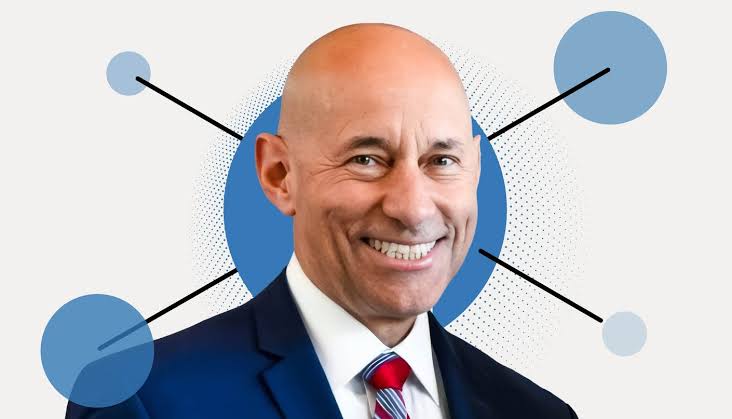
The first official African tour of Frank Garcia, the United States Assistant Secretary of State for African Affairs, is attracting attention as Washington prepares to redefine its relationship with West Africa under the Trump administration.
Garcia’s planned visits to Nigeria, Côte d’Ivoire and Mali are being viewed as a signal of a different diplomatic approach—one focused less on traditional aid messaging and more on security cooperation, trade, strategic interests and partnerships built around national sovereignty.
The choice of the three countries is significant. Nigeria remains the region’s largest economy and a major security player, Côte d’Ivoire represents a stable and increasingly influential partner, while Mali presents the biggest challenge for Washington as it attempts to engage a country that has moved closer to Russia and away from Western security arrangements.
Garcia outlined his diplomatic vision during his confirmation hearing before the US Senate Foreign Relations Committee on March 5, where he said American engagement in Africa should advance “America First priorities” and remain “disciplined, strategic, and firmly rooted in our national interests.” He also emphasised the need for partnerships that benefit both sides while respecting the choices of African nations.
For Nigeria, the visit carries particular importance. Abuja remains central to US interests because of its economic influence, energy relevance, counterterrorism role and position as a key player in the Gulf of Guinea and wider West African region.
Garcia’s planned stop in Nigeria is therefore unlikely to be viewed as a routine diplomatic visit. It reflects Washington’s recognition that Nigeria is too important to overlook and that future cooperation must deliver practical outcomes for both countries.
Côte d’Ivoire offers another model of US engagement. The country has strengthened ties with Washington through economic partnerships, health initiatives, infrastructure projects and security cooperation. US-supported programmes, including drone-based medical logistics through Zipline, infrastructure investments and military partnerships, have expanded practical cooperation between both countries.
The Ivorian example also demonstrates a balancing strategy—maintaining relationships with multiple global partners while protecting national interests. Analysts say this represents a form of sovereignty based on strategic decision-making rather than isolation.
Mali presents a more complex situation. The country’s military-led government has strengthened ties with Russia’s Africa Corps, withdrawn from several Western-backed security frameworks and joined the Alliance of Sahel States alongside Burkina Faso and Niger.
Despite these shifts, security challenges remain severe, with ongoing concerns over terrorism and instability. Washington’s continued engagement with Bamako suggests an attempt to maintain dialogue based on shared interests rather than previous approaches that were often criticised as overly demanding.
The United States has indicated that cooperation with Sahel countries remains possible despite political differences. Recent discussions between US officials and diplomats from Mali, Burkina Faso and Niger focused on maintaining bilateral cooperation and identifying areas of mutual interest.
For Nigeria and the wider region, Garcia’s visit comes at a time when global competition for influence in Africa is increasing. The United States, China, Russia, France, Turkey and other powers are seeking stronger economic and strategic relationships across West Africa.
The key question is whether Washington can build partnerships that respect African sovereignty while still advancing its own interests. Garcia’s first major African trip will provide an early indication of how the United States plans to navigate this new era of competition and cooperation.