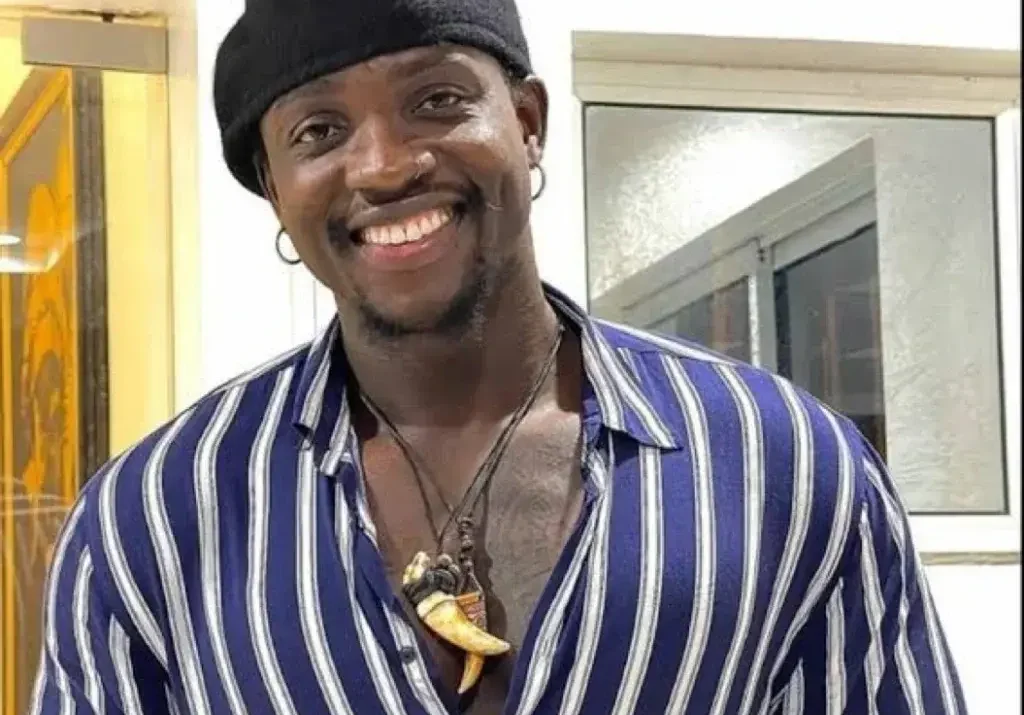

Social media activist Martins Vincent Otse, popularly known as VeryDarkMan (VDM), has called on organisers of South African singer Tyla’s scheduled concert in Lagos to cancel the event, citing ongoing xenophobic attacks against Nigerians in South Africa.
The activist made the appeal in a video shared on his verified Facebook page, where he criticised plans for the concert and argued that it should not go ahead while concerns over the treatment of Nigerians in South Africa remain unresolved.
According to VDM, it would be inappropriate for the Grammy-winning South African star to perform and generate revenue from Nigerian fans amid recurring reports of hostility towards Nigerians living in South Africa. He also referenced the legal battle involving beauty queen Chidimma Adetshina as part of his argument.
“There will be no Tyla concert in Nigeria. It is not happening. This is a warning to the organisers and promoters bringing Tyla to Nigeria,” VDM said in the video.
He further warned that if the event proceeds as planned, he and others would mobilise against it. His remarks have since generated widespread reactions across social media, with supporters and critics debating whether cultural events should be affected by diplomatic and social tensions between both countries.
The comments come amid renewed discussions about xenophobic attacks on Nigerians in South Africa. Over the years, reports of violence targeting foreign nationals have strained relations between citizens of both countries, leading to repeated calls for stronger diplomatic engagement and better protection for migrants.
Several Nigerians on social media have also called for a boycott of Tyla’s planned performance, arguing that the concert should not proceed until concerns surrounding the safety and treatment of Nigerians in South Africa are adequately addressed.
Despite the backlash, there has been no official response from Tyla, her management team or the event organisers. The singer’s recently announced world tour schedule includes a performance in Lagos on December 22, 2026, although organisers have not indicated any changes to the event.
The development has once again highlighted how cultural exchanges between Nigeria and South Africa can become flashpoints whenever tensions over xenophobia resurface, with many observers urging dialogue rather than confrontation.