
Tinubu Vows Never to Pay Ransom, Rejects Negotiations With Kidnappers and Terrorists
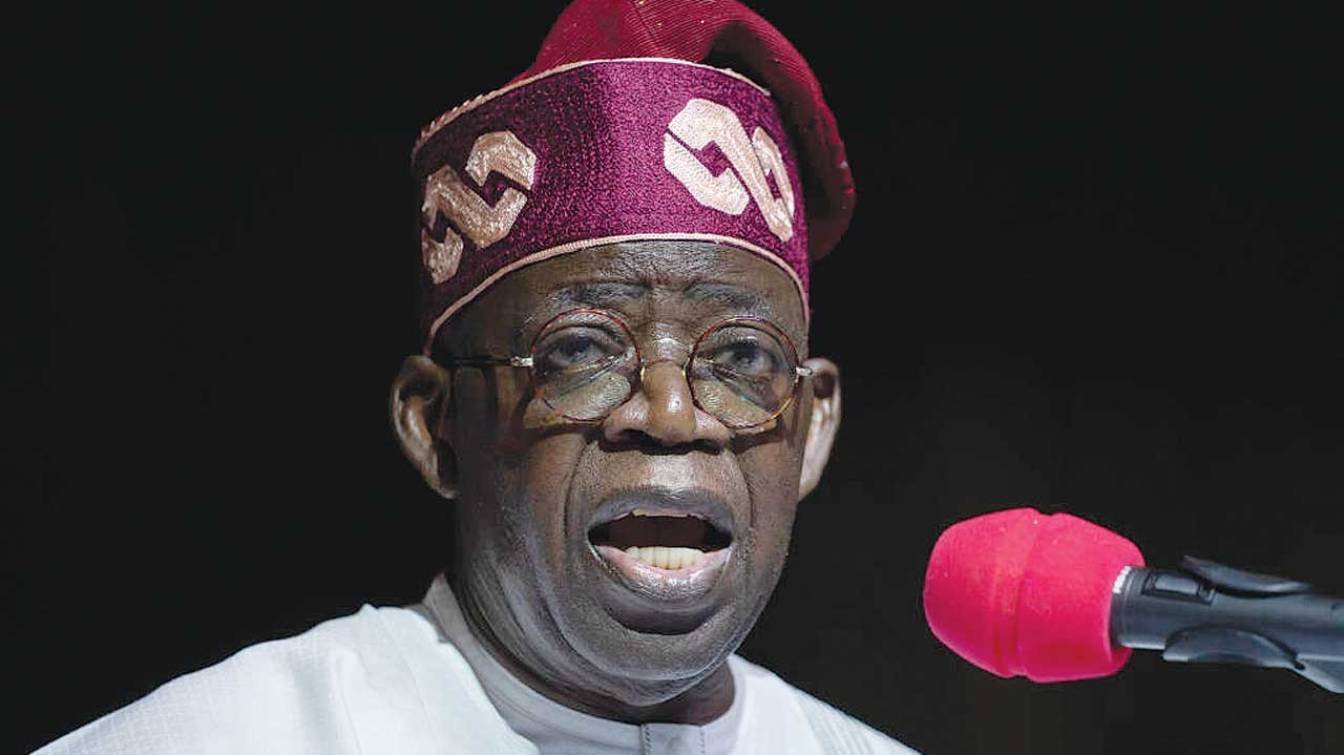
President Bola Ahmed Tinubu has reaffirmed his administration’s policy of refusing to negotiate with kidnappers, terrorists and other violent criminal groups, declaring that the Federal Government will neither pay ransom nor release detained suspects in exchange for abducted victims.
The President made the declaration while receiving traditional rulers from Oyo State, led by the Olubadan of Ibadanland, Oba Rashidi Ladoja, at the State House in Abuja. He said the government’s firm stance was demonstrated during the recent abduction of schoolchildren and teachers in communities within Oriire Local Government Area of Oyo State.
According to Tinubu, the kidnappers demanded both ransom payments and the release of members of their gang who were already in detention. He said the government rejected the demands and instead relied on security operations to secure the victims.
“We refuse to negotiate with criminals. They wanted us to release members of their criminal gangs already in detention in addition to demanding money, but we said no deal. We will not negotiate with murderers and terrorists,” the President said.
Tinubu described the successful rescue operation as evidence that Nigeria’s evolving security strategy is producing results. He praised members of the Armed Forces and other security agencies for their professionalism, courage and commitment in confronting terrorism, banditry and kidnapping across the country.
The President also announced plans to strengthen the nation’s security architecture by expanding the Nigerian Army from eight to 12 divisions. He said the move is expected to improve operational coverage, reduce response times and enhance the country’s ability to tackle emerging security threats.
On policing reforms, Tinubu reiterated his support for the creation of state police, stressing that the proposed system would include constitutional safeguards to prevent abuse. He also disclosed that the government is strengthening forest guard operations to flush out criminal elements hiding in forests and other ungoverned areas.
The President urged traditional rulers to play a greater role in intelligence gathering by encouraging residents to remain vigilant, monitor suspicious activities and promptly report unusual movements to security agencies. He also linked some of Nigeria’s security challenges to instability in neighbouring Sahel countries, including Mali, Burkina Faso and Niger Republic, warning that porous borders have contributed to the movement of armed criminal groups into Nigeria.
While acknowledging that insecurity remains a major national challenge, Tinubu expressed confidence that ongoing reforms are beginning to yield positive results. He called on Nigerians to continue supporting members of the military and police, whom he described as making enormous sacrifices to protect lives and property.
The President also advised state governments to prioritise strategic road construction over non-essential projects, arguing that improved road networks would enhance security operations and improve access to vulnerable communities.
Earlier, the Olubadan of Ibadanland, Oba Rashidi Ladoja, commended the Federal Government’s response to the recent kidnappings in Oyo State. The monarch said the refusal to pay ransom demonstrated a new direction in the country’s fight against kidnapping and urged sustained security operations across forest corridors linking Oyo, Niger and Kwara states.