
Peter Obi: ‘I May Not Be Alive in 2027,’ Urges Leaders to Focus on Governance Over Politics
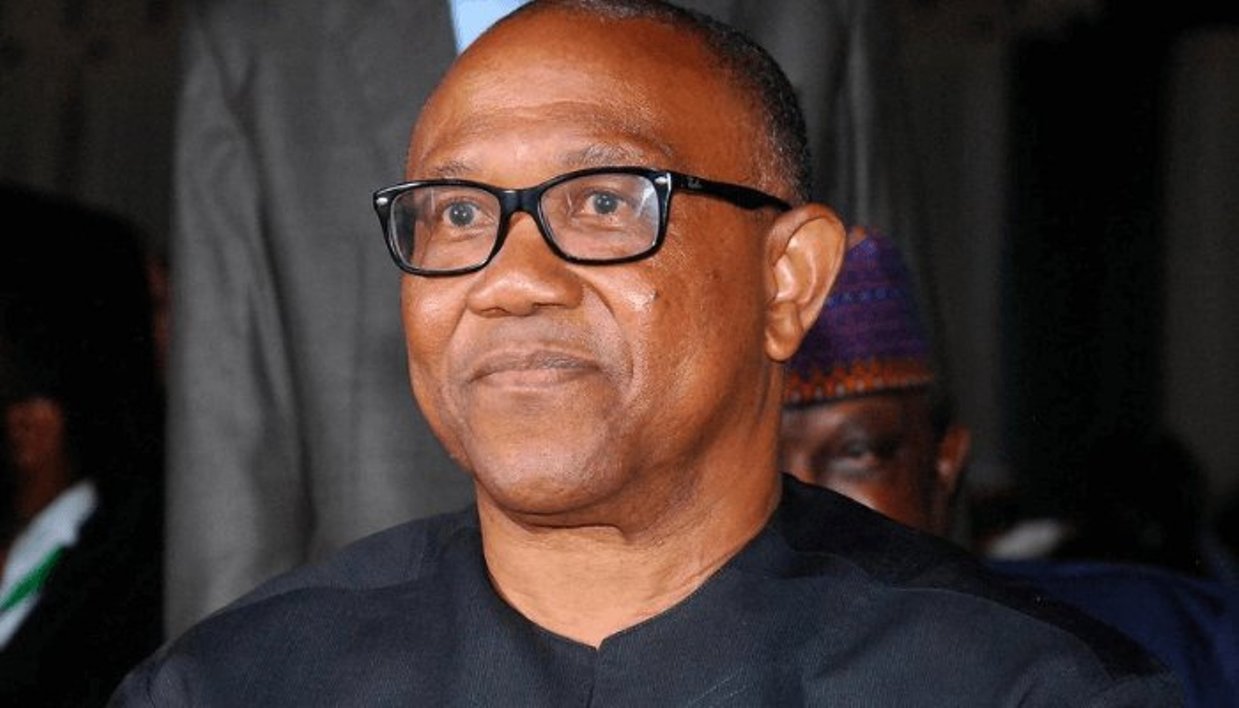
Former Labour Party presidential candidate Peter Obi has said he may not be alive to witness or contest the 2027 general elections, urging political leaders to focus on solving Nigeria’s pressing problems instead of becoming consumed by early election campaigns.
Obi made the remark during a recent public engagement, where he used the uncertainty of life to stress the need for leaders to prioritise governance over political ambition. He noted that no one can guarantee what the future holds, making it unwise to neglect today’s responsibilities in pursuit of tomorrow’s elections.
“I may not even be alive in 2027,” Obi said, adding that the country’s leadership should concentrate on addressing the immediate needs of Nigerians rather than engaging in premature political calculations.
The former Anambra State governor argued that Nigeria’s worsening economic conditions, rising insecurity and other national challenges require urgent attention. According to him, elected officials should be judged by the impact they make while in office, not by how early they begin campaigning for another election.
Obi maintained that public office is a platform for service and accountability, insisting that governance should remain centred on improving the lives of citizens through sound policies and effective leadership.
His comments come as political consultations and alliances ahead of the 2027 general elections continue to gather momentum across the country, with several political figures already making public statements about the next presidential race.
The remarks have sparked widespread reactions on social media and across the political landscape. While many interpreted his comments as a reminder of life’s unpredictability and the need for responsible leadership, others viewed them as a call for politicians to shift attention from electoral politics to governance.
Obi has consistently advocated issue-based leadership, frequently urging governments at all levels to focus on economic recovery, security, education and healthcare as priorities for national development.