
Kwankwaso Confirms Peter Obi Signed One-Term Agreement for 2027 as Atiku, Presidency Trade Economic and Political Blows
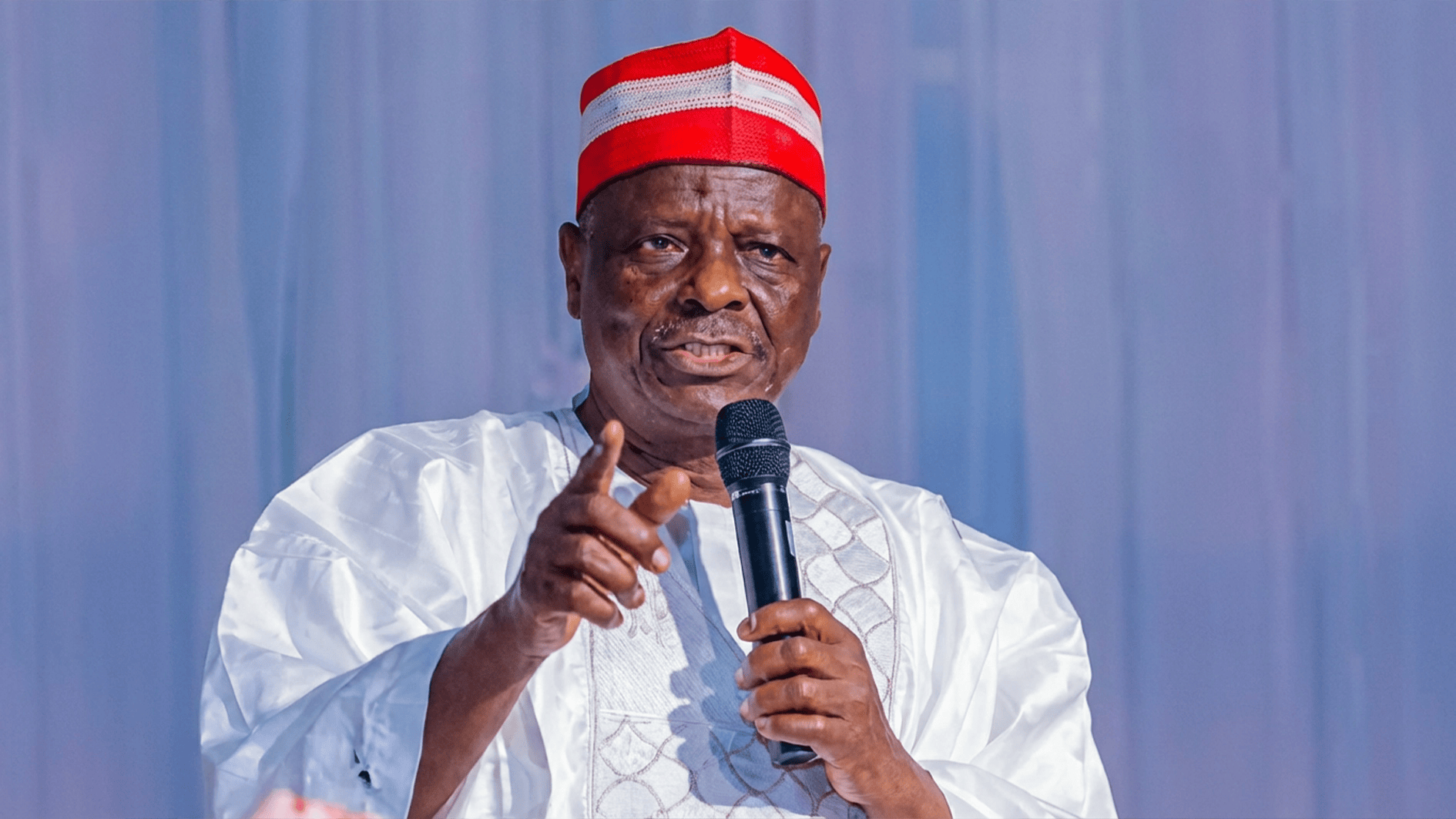
The vice-presidential candidate of the Nigeria Democratic Congress (NDC), Rabiu Musa Kwankwaso, has confirmed that the party’s presidential candidate, Peter Obi, signed a written agreement committing to serve only a single four-year term if elected president in the 2027 general election.
Speaking during an interview on Channels Television, Kwankwaso said the agreement was designed to ensure power returns to Northern Nigeria after one term of a southern presidency. He expressed confidence that Obi would honour the pact, describing him as a man of integrity.
“I personally believe him. Based on what I know about him, I don’t think he will change his mind when the time comes. We are all gentlemen, and we have agreed to put it on paper,” Kwankwaso said.
According to the former Kano State governor, two separate agreements were signed—one by the NDC and another personally between him and Obi. He explained that both leaders agreed to work together from 2027 to 2031, after which the presidency would return to the North as part of what he described as a fairness and power-sharing arrangement.
Kwankwaso said the decision to accept the vice-presidential slot reflected the need for equity and national unity. He added that while the party remains focused on winning the 2027 election, it is also mindful of its long-term political roadmap.
The former defence minister also defended the principle of religious balance in Nigeria’s politics, saying political parties should consider the country’s religious diversity when selecting candidates. While acknowledging that same-faith tickets are not unconstitutional, he argued that balanced tickets promote inclusion and national cohesion.
Referring to President Bola Tinubu’s decision to retain Kashim Shettima as his running mate, Kwankwaso said he was surprised the All Progressives Congress (APC) opted to maintain a Muslim-Muslim ticket despite the controversy that surrounded the arrangement in 2023.
Meanwhile, former Vice President Atiku Abubakar, the presidential candidate of the African Democratic Congress (ADC), blamed Nigeria’s economic challenges on policies that, according to him, encouraged consumption over production. In a statement issued through his spokesman, Phrank Shaibu, Atiku argued that Nigeria’s path to prosperity lies in strengthening agriculture, manufacturing, technology and local production rather than relying on imports.
He outlined a series of proposals, including improved security for farming communities, affordable credit for manufacturers, lower import duties on industrial machinery, stable electricity supply and tax reforms designed to encourage local production.
Also reacting to developments ahead of the 2027 elections, the Presidency dismissed Peter Obi as a political threat to President Tinubu. The President’s Special Adviser on Policy Communication, Daniel Bwala, accused Obi of fostering what he described as an “extremist political movement” and claimed the former Anambra governor had failed to rein in some of his supporters.
Bwala maintained that Obi posed no significant electoral challenge to President Tinubu, arguing that the former governor’s political record did not compare with that of the President. As of the time of filing this report, Peter Obi had not publicly responded to Bwala’s remarks.