
Wike Takes Swipe at Peter Obi, Says Nigeria Needs Leaders Who Confront Challenges Head-On
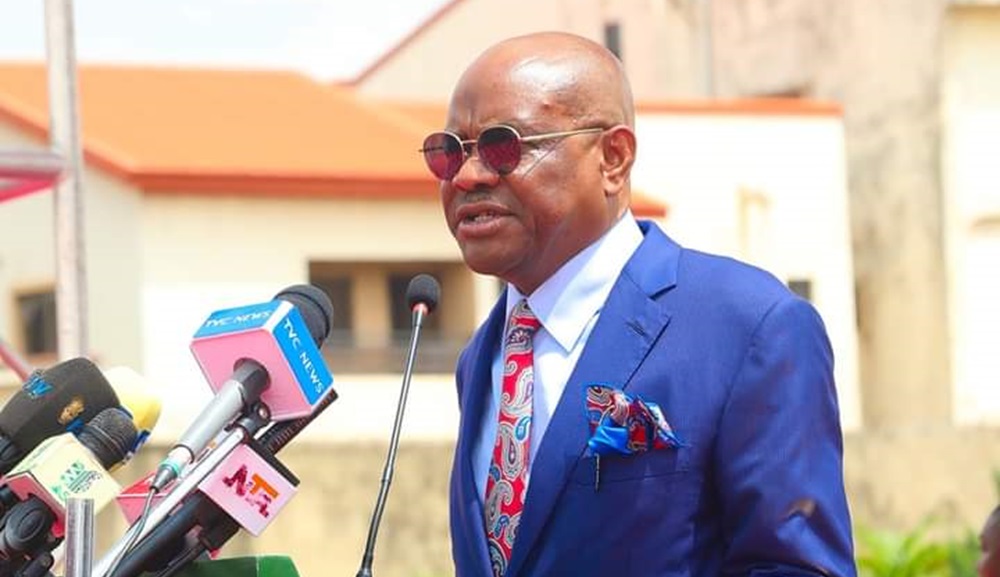
Minister of the Federal Capital Territory (FCT), Nyesom Wike, has criticised former Anambra State Governor and Labour Party presidential candidate Peter Obi, arguing that effective leadership requires courage, decisiveness, and the willingness to tackle difficult problems directly.
Speaking on perceptions surrounding Obi’s leadership style, Wike maintained that governing a complex nation like Nigeria demands strong decision-making rather than hesitation in the face of challenges.
According to the former Rivers State governor, leaders must be prepared to confront tough situations and take responsibility for difficult decisions, even when such choices may be unpopular.
“In Nigeria, you must have the capacity to face challenges instead of running at the first sign of trouble. The worst kind of leader is someone who identifies a problem but cannot make decisions to solve it,” Wike said.
Although he did not provide specific examples, the FCT minister suggested that a passive approach to governance is insufficient for addressing Nigeria’s numerous political, economic, and social challenges.
Wike argued that leadership goes beyond recognising problems and requires the ability to implement solutions under pressure. He stressed that public office holders must possess the confidence and resolve needed to navigate complex situations and deliver results.
The remarks add to the growing political exchanges among key figures ahead of the 2027 political season, as discussions around leadership qualities, governance records, and national development continue to dominate public discourse.
Peter Obi, who emerged as one of the leading opposition figures following the 2023 presidential election, has consistently advocated for accountability, economic reforms, and issue-based politics. His supporters often cite his record as former governor of Anambra State as evidence of his leadership credentials.
Wike’s latest comments are expected to generate reactions across Nigeria’s political landscape, particularly among supporters of both politicians, as debates over leadership style and governance effectiveness continue to shape conversations ahead of future elections.