
Peter Obi ‘Abandons His Supporters, Fails to Build Political Structures’ – Ex-Labour Party Youth Leader
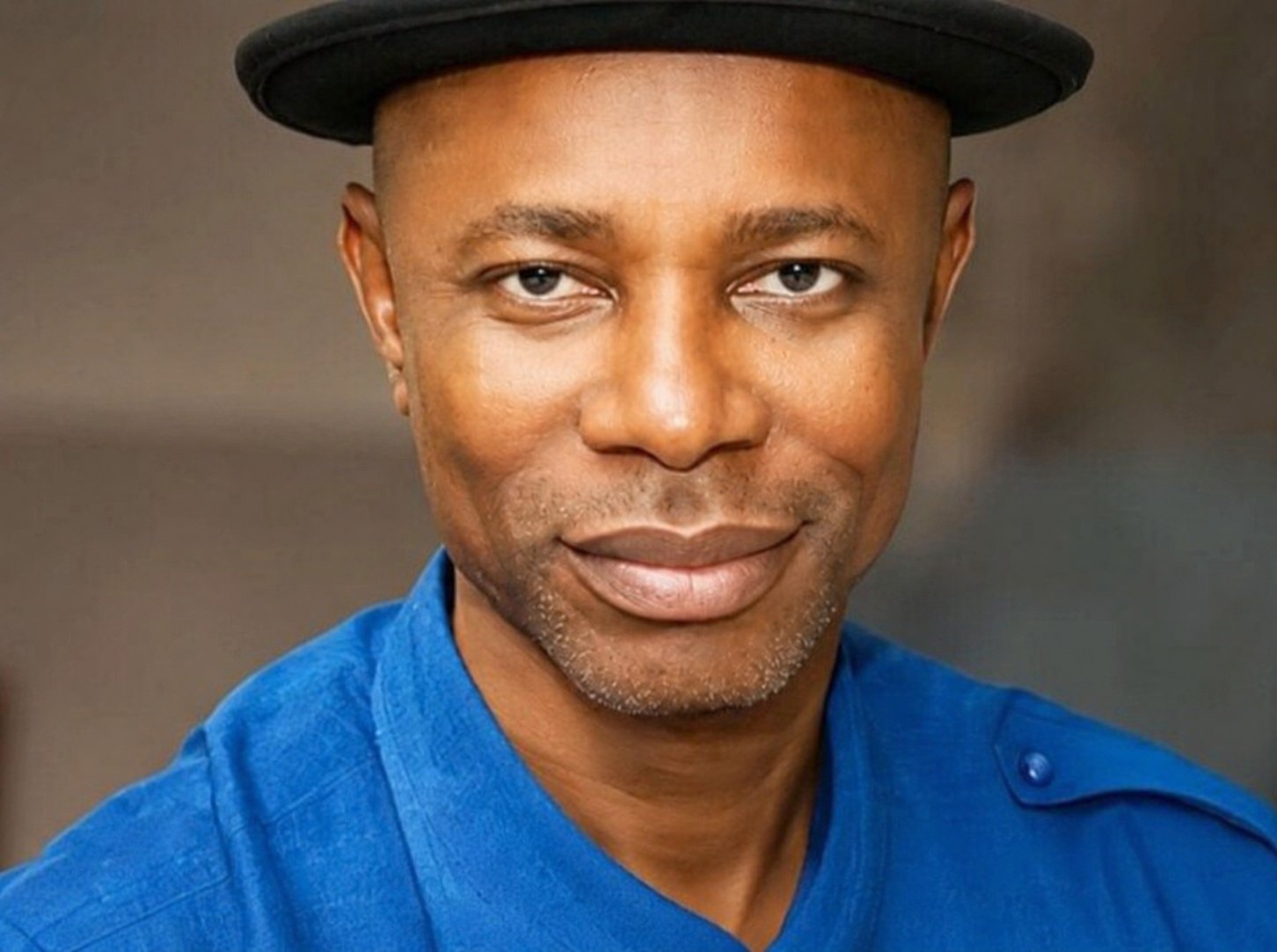
Fresh criticism has emerged against former Labour Party presidential candidate Peter Obi, with ex-National Youth Leader of the party, Prince Kennedy Ahanotu, accusing him of failing to build lasting political structures and neglecting loyal supporters.
Speaking during an interview on TVC News, Ahanotu argued that Obi’s political journey reflects a pattern of moving between parties without investing in the development of strong institutions capable of surviving beyond his personal influence.
The former Labour Party chieftain claimed that effective leadership goes beyond electoral popularity and should be measured by the ability to mentor followers and establish enduring political structures.
“Peter Obi is not a builder of men; he abandons his own people,” Ahanotu said during the interview.
He maintained that leaders who aspire to transform a political movement must focus on nurturing future leaders and strengthening party frameworks rather than relying solely on public appeal.
Ahanotu also questioned Obi’s long-term commitment to political parties, pointing to his movement across different political platforms over the years as evidence of what he described as a lack of institutional loyalty.
According to him, sustainable political success depends on building structures that remain functional even after a leader exits the scene.
The remarks add to the growing political debate surrounding Obi’s role in Nigeria’s opposition landscape ahead of the 2027 general elections, with supporters and critics continuing to assess his influence within the Labour Party and the broader political space.
Obi, who emerged as one of the leading opposition figures during the 2023 presidential election, has continued to attract significant grassroots support across the country. However, his critics have repeatedly questioned the durability of the political movement built around his candidacy.
As discussions around opposition realignments and coalition talks intensify ahead of 2027, comments such as Ahanotu’s are likely to fuel further debate over leadership, party loyalty, and the future direction of Nigeria’s opposition politics.