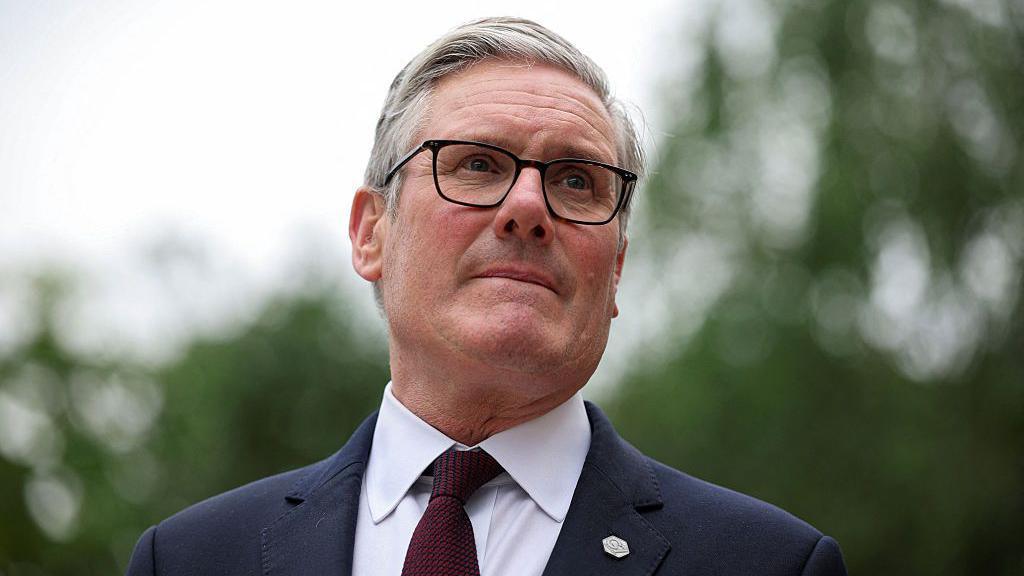

British Prime Minister Keir Starmer has reportedly announced his resignation after less than two years in office, marking a dramatic turn in a leadership widely defined by political reversals, internal pressure, and declining public approval.
Speaking outside 10 Downing Street, Starmer delivered an emotional address in which he framed his decision as one driven by national interest. His voice breaking at points, he insisted that his leadership had always prioritised the country over personal ambition.
The Labour leader said the process to choose a new party head would begin in July. He added that he would remain in office as prime minister until a successor is selected, with a transition expected before Parliament returns from summer recess in September.
Attention has quickly turned to potential contenders, including veteran politician Andy Burnham, who is expected to return to Parliament after winning a recent special election. His re-entry has intensified speculation that he could mount a leadership challenge.
Starmer stressed that he intends to ensure an orderly handover of power, saying he would fully support whoever succeeds him in leading the country.
Until recently, he had publicly resisted calls to step down, insisting he would continue despite mounting pressure from within and outside his party. However, months of political strain, including scandals and resignations, appear to have eroded his position.
His tenure has been marked by sharp policy shifts and criticism over decisions such as welfare reforms and defence spending plans. While he was credited with transforming Labour into an election-winning machine that ended 14 years of Conservative rule in 2024, sustaining that momentum proved far more difficult in government.
Pressure also grew after setbacks in local elections, where the rising influence of the far-right Reform UK party further weakened Labour’s standing and exposed voter frustration over immigration and economic policy.
The announcement comes just ahead of the 10-year anniversary of the Brexit referendum, a moment that has symbolised a decade of political instability and rapid leadership turnover in Britain.
If confirmed, Starmer’s exit would mark the seventh change of UK prime minister in just 10 years — a reflection of a political system still struggling with long-term stability.