
Fuel Price Surge Pushes Nigerians to the Brink as Transport Costs Soar Nationwide
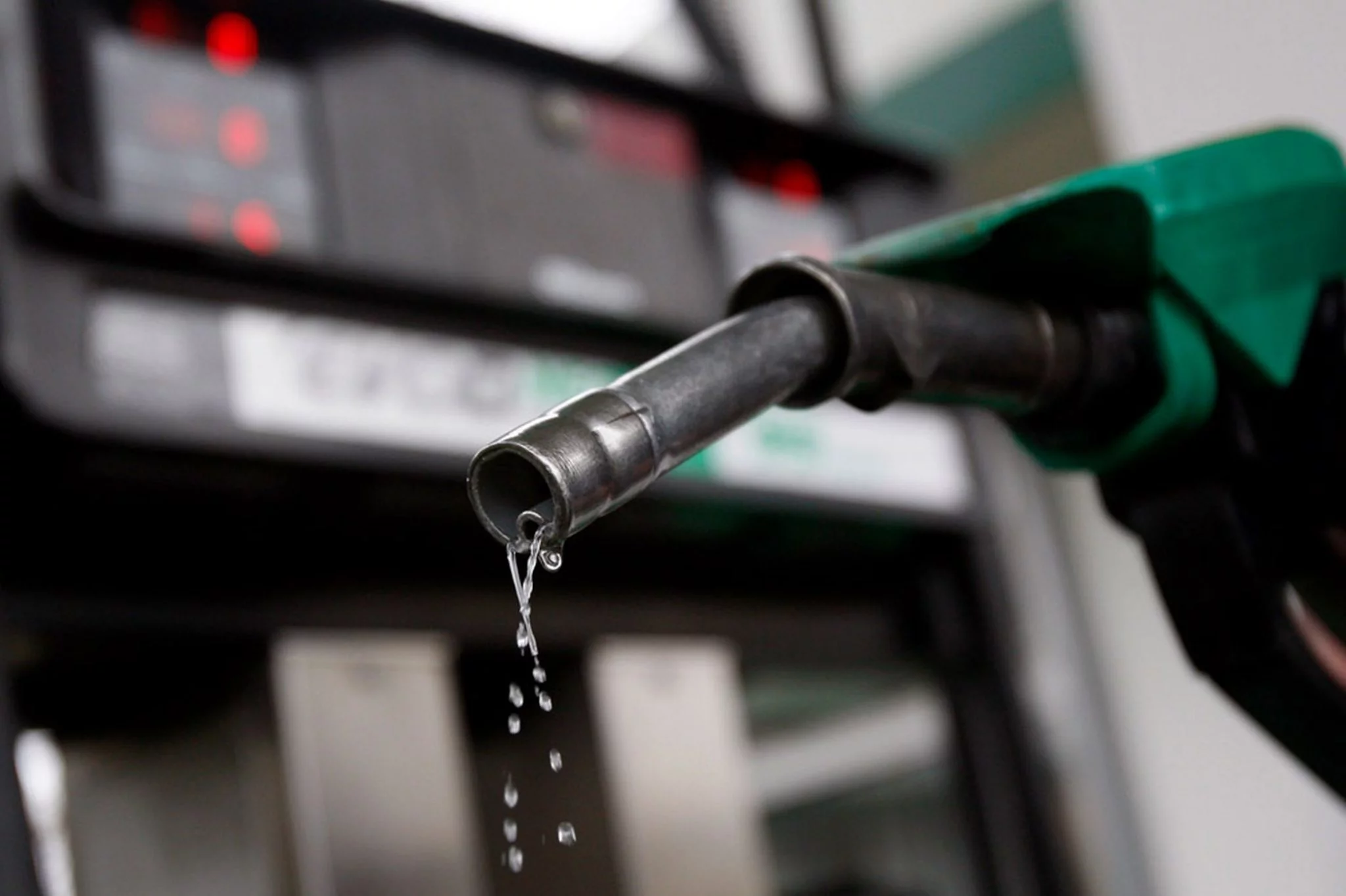
Nigeria’s rising fuel prices are no longer just an economic issue—they’ve become a daily survival challenge, squeezing incomes and reshaping how millions live and work.
Across the country, the cost of petrol, diesel, and cooking gas has climbed sharply, while salaries remain unchanged. The result is a widening gap between earnings and basic living expenses, leaving many Nigerians struggling to cope.
In Abuja and other major cities, petrol now sells between ₦1,300 and ₦1,450 per litre, with diesel nearing ₦2,000. The ripple effect has been immediate—transport fares have surged, food prices are climbing, and the cost of running small businesses has escalated.
For many workers, the numbers no longer add up.
A commercial driver, Chinedu Ike, said fuel now consumes almost all his daily earnings. “I spent over ₦50,000 on fuel before I could even start work today,” he said, highlighting how margins have all but disappeared.
Civil servants are feeling the strain just as deeply. One Abuja-based worker said commuting alone now eats into most of his salary. “I spent ₦1,500 just to get to work, and that’s with leaving home before 6am,” he said.
Others describe a situation where income barely lasts beyond essentials. “It feels like our salaries are gone before we even use them,” said Peter Echo, who estimates that over 80% of his earnings now go into transportation and feeding his family.
The pressure is being felt beyond individuals. Organised labour groups, including the Nigeria Labour Congress (NLC), have warned that the situation could trigger job losses, business closures, and deeper economic instability if urgent action is not taken.
The NLC has called on the government to intervene as fuel prices edge closer to ₦1,400 per litre, raising concerns about inflation eroding any economic gains.
Industry voices are also raising alarms. Business magnate Aliko Dangote warned that global tensions—particularly in the Middle East—could further drive up energy costs, with consequences that would touch every sector of the economy.
“Energy affects everything,” Dangote said. “From small businesses to major industries, everyone will feel the impact if costs continue to rise.”
For workers commuting from satellite towns such as Mararaba, Suleja, and Gwagwalada, transportation costs have reportedly quadrupled, intensifying the burden on already stretched households.
The bigger issue isn’t just fuel—it’s the chain reaction. Higher transport costs mean higher food prices, higher business expenses, and ultimately, a higher cost of living across the board.
And unless something shifts quickly, this isn’t a temporary spike. It’s becoming the new normal.